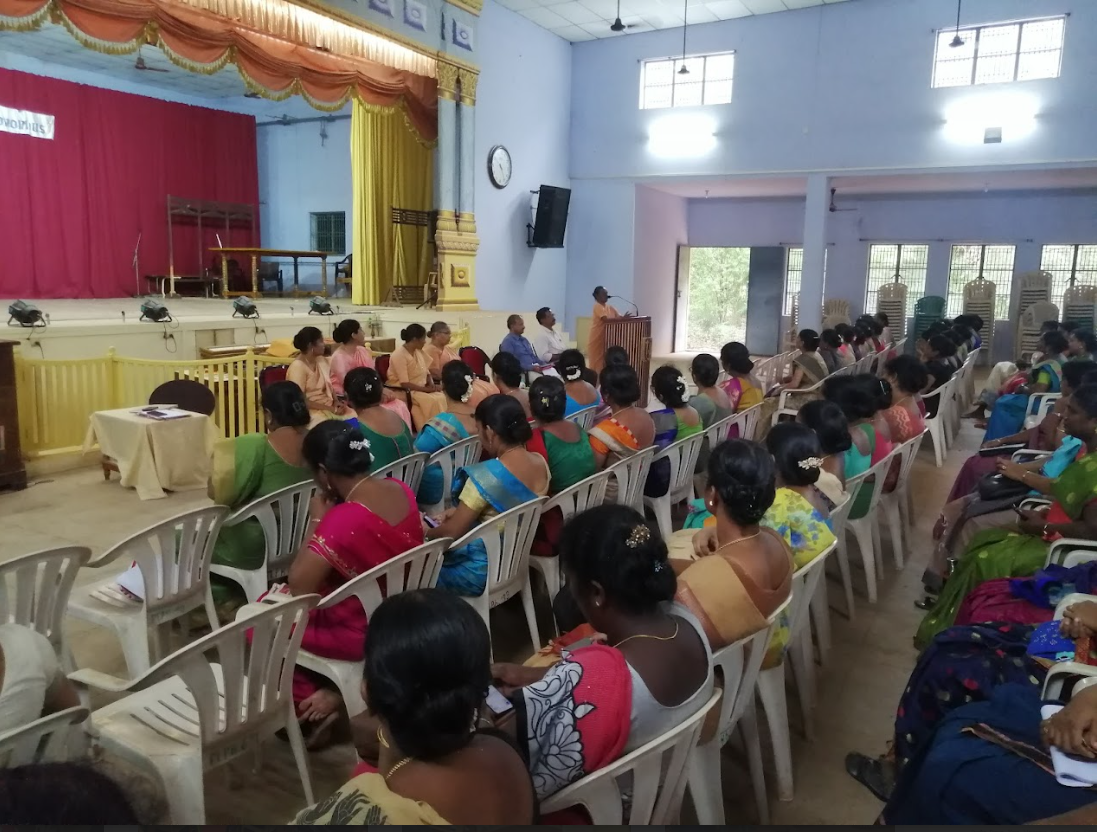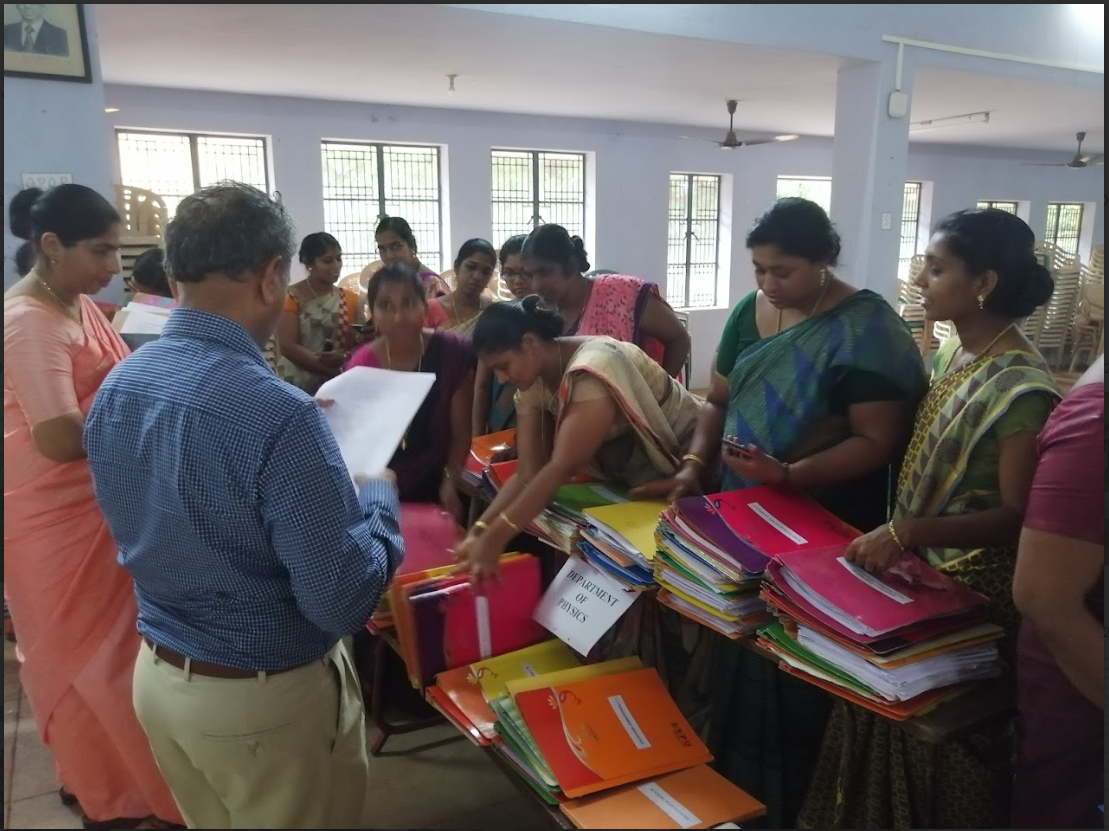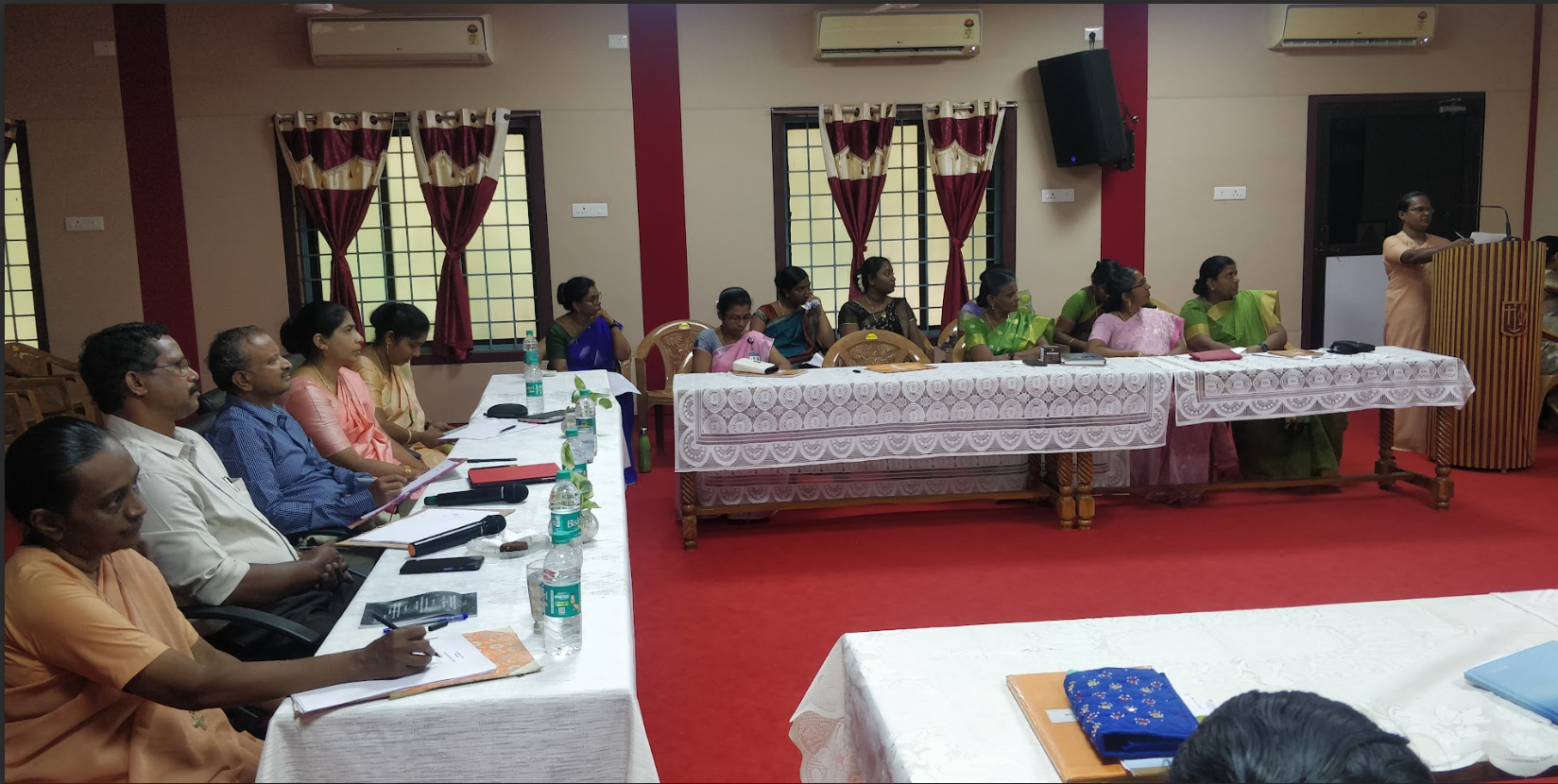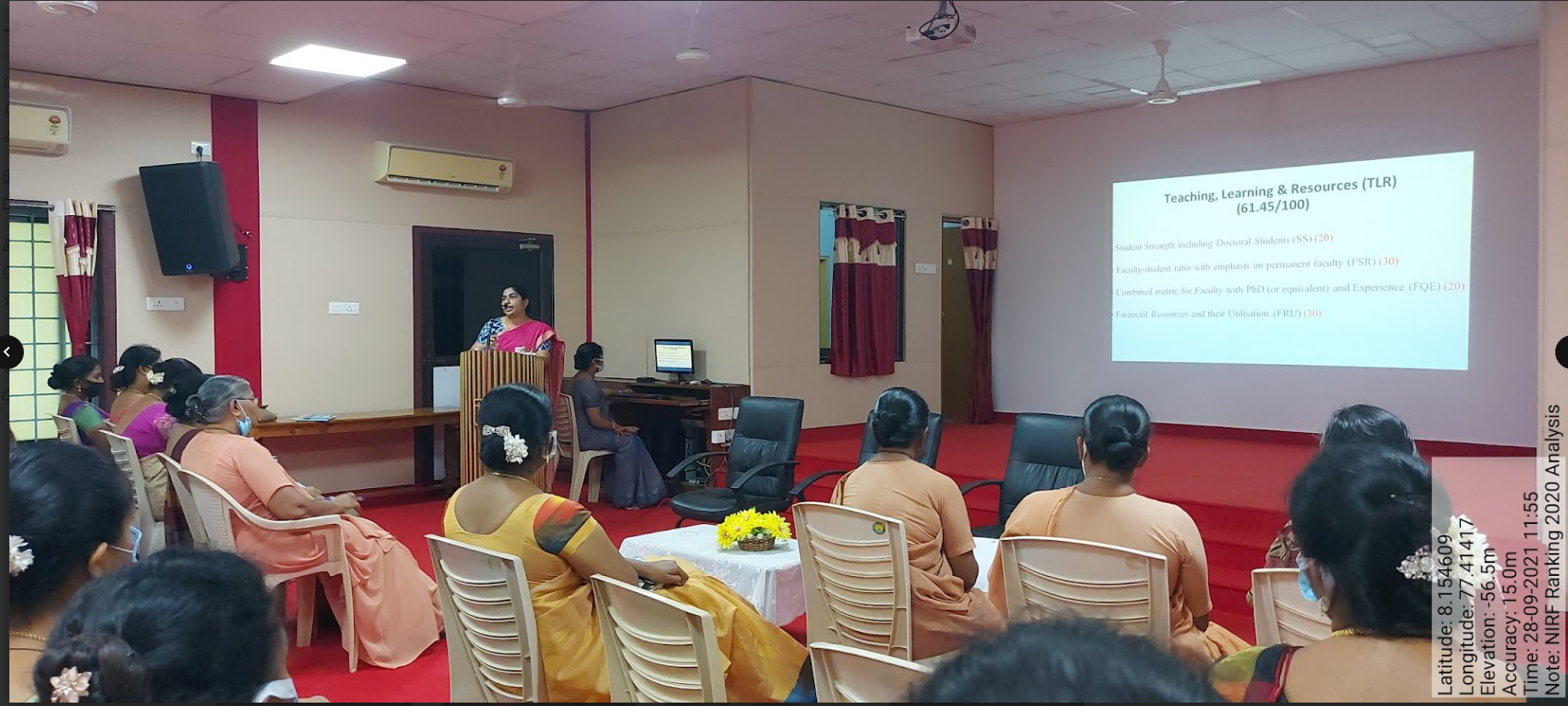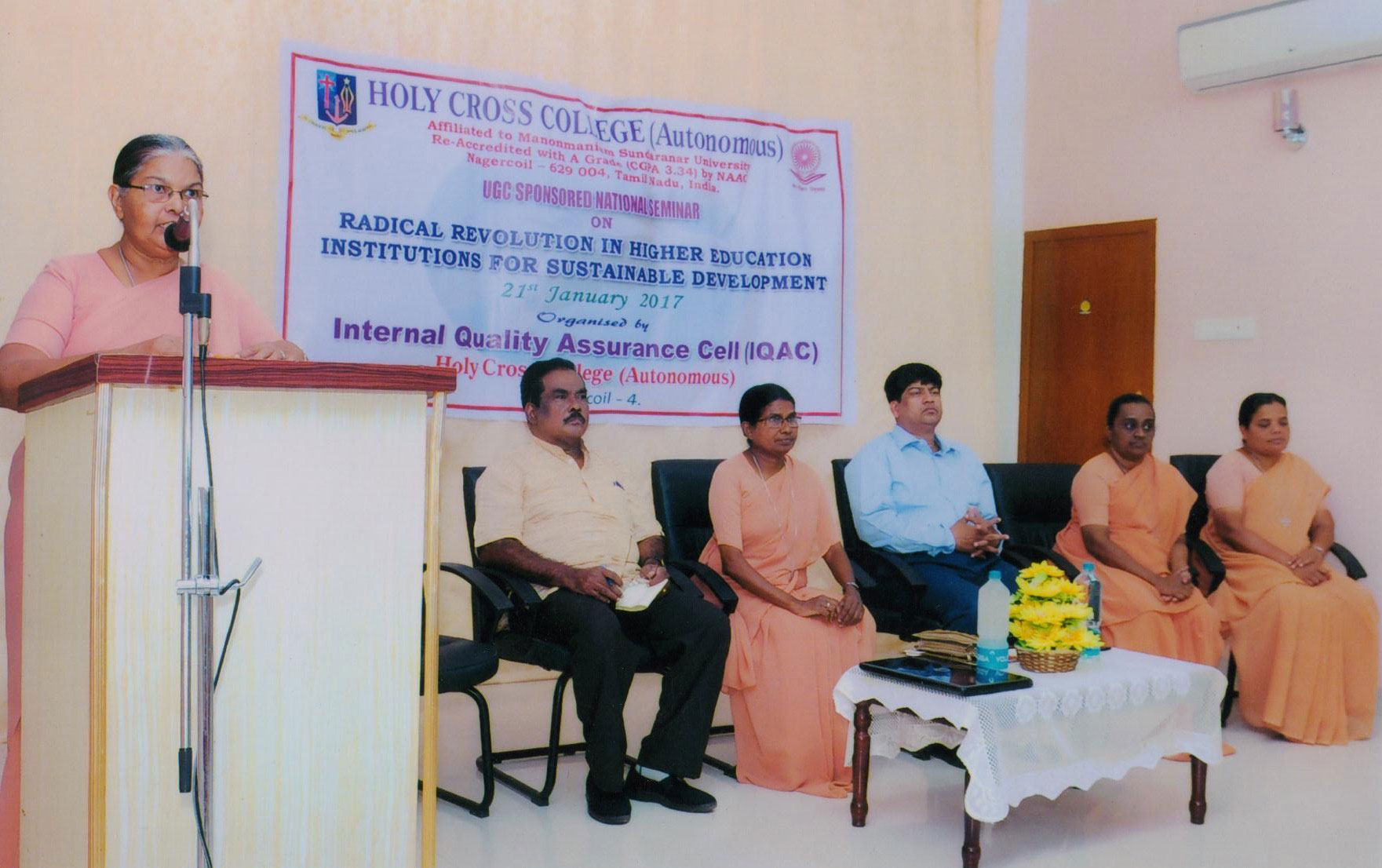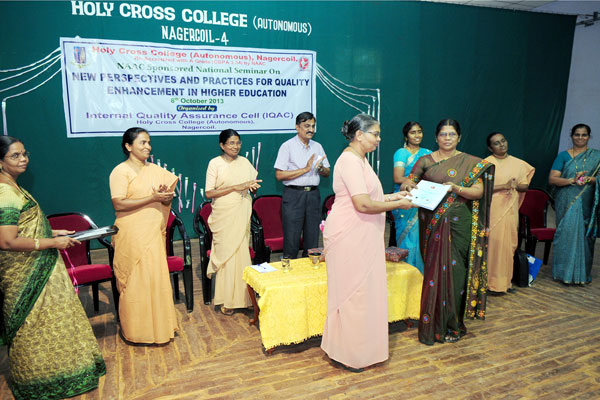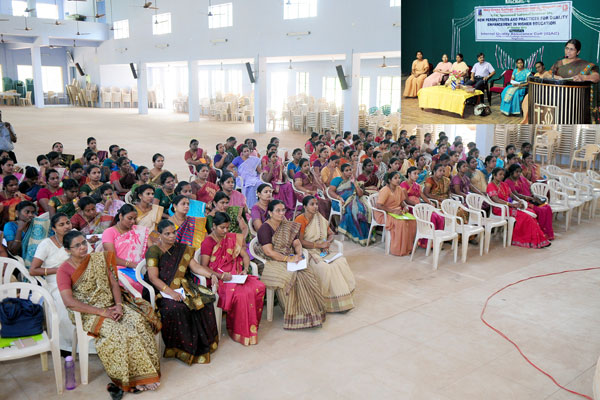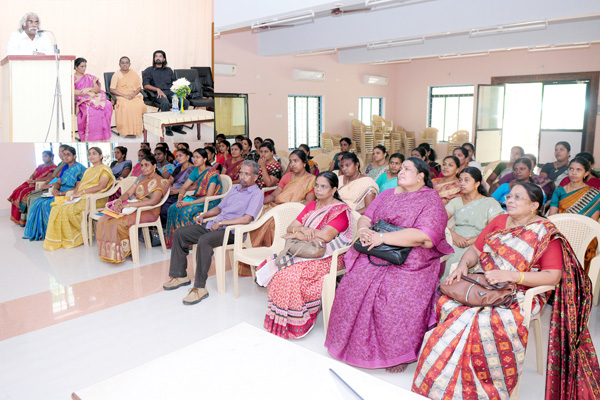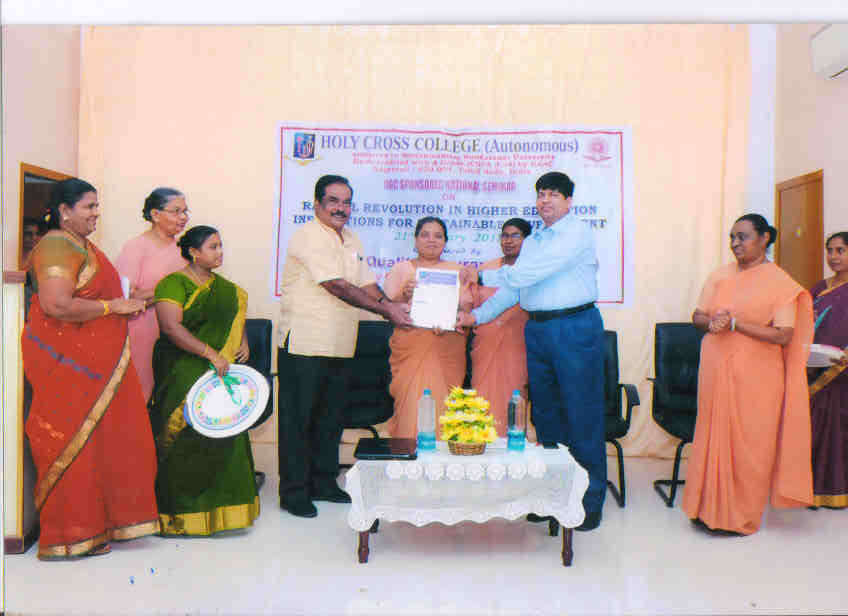
Holy Cross College is situated in a serene, wooded environment, far from the noise and bustle of urban life. Since its establishment in 1965, the institution has nurtured capable learners and independent thinkers with creative and innovative mindsets. With quality as its guiding principle, the college was among the first to volunteer for NAAC accreditation in 1999, earning a four-star rating. Following NAAC directives, the Internal Quality Assurance Cell (IQAC) was formed in June 2001 as a post-accreditation quality sustenance initiative, coordinated by Dr. Usha Oman. During the second cycle of accreditation in 2005, the college was awarded a ‘B++’ grade under the leadership of Dr. Premalatha Lal. In 2013, during the third accreditation cycle, the institution secured an ‘A’ grade with a CGPA of 3.34, coordinated by Dr. S. Jesi Isabella. Subsequently, in the fourth cycle in 2019, the college achieved an ‘A+’ grade with a CGPA of 3.35 on the four-point scale, under the guidance of Dr. G. Leema Rose. With the introduction of NAAC’s revised accreditation framework, the AQAR and SSR formats were updated in alignment with the enhanced methodology. In 2025, the college was accredited with an A++ grade and achieved a CGPA of 3.53. under the guidance of Dr. H. Jimsy Asha. The IQAC is presently led by Dr. X. Venci Candida, who, together with her team, has initiated work on the new NAAC framework that follows maturity-based graded levels. As an integral component of the college, the IQAC continues to implement operative measures to enhance and sustain quality within the existing system. It oversees institutional quality parameters and ensures that the standards of excellence envisioned in the college’s mission and vision are consistently upheld.
Vision
To cultivate a quality-driven culture that promotes continuous improvement and institutional excellence through best practices and sustainable initiatives.
Mission
✔ To establish mechanisms for periodic assessment and improvement of processes through quality benchmarks.
✔ To create a learner-centric environment that fosters lifelong learning and quality education, empowering faculty to adopt the latest knowledge and technology for participatory teaching.
✔ To promote innovation and research through collaboration that enhances teaching and learning, contributing to national development.
✔ To engage stakeholders in quality initiatives while prioritizing feedback for the effective implementation of quality improvement standards.
Functions
Quality Assurance Framework: Develop and implement quality assurance framework and policies that align with institutional goals and national accreditation standards.
Benchmarking: Develop quality benchmarks and performance indicators to evaluate institutional effectiveness and facilitate continuous improvement.
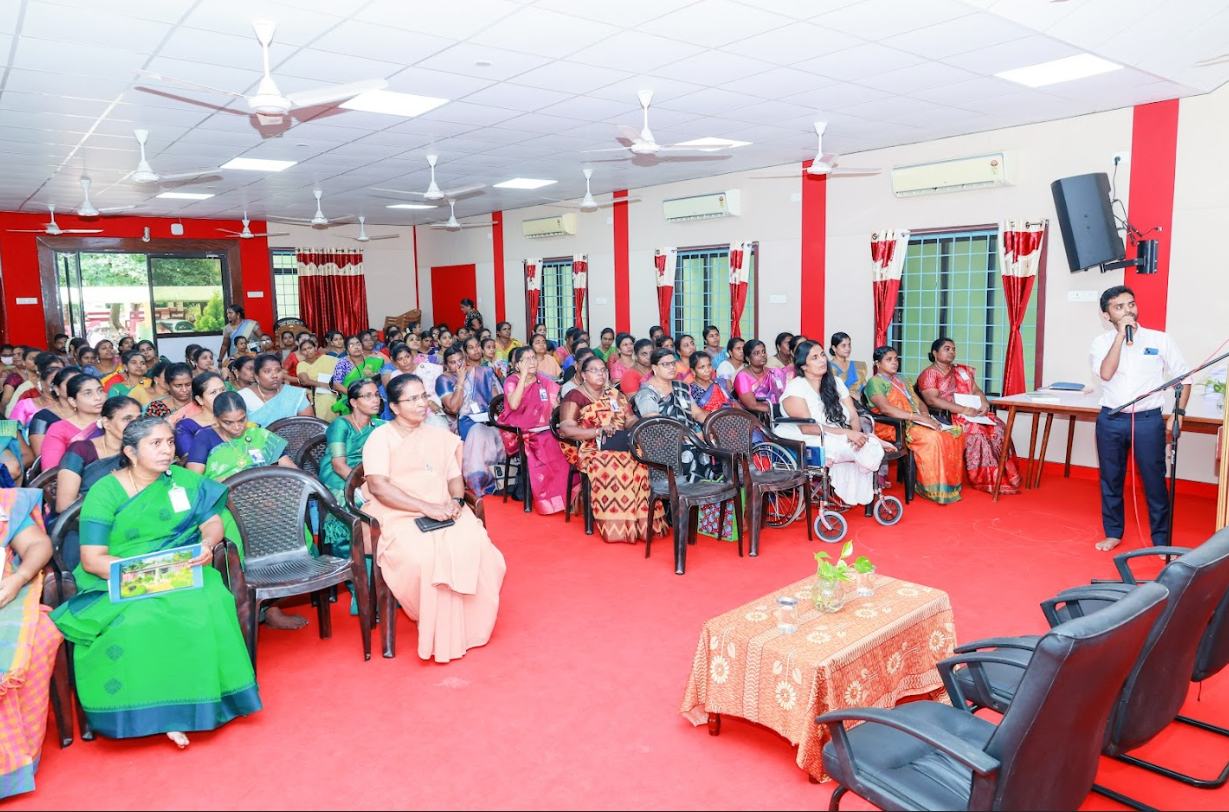
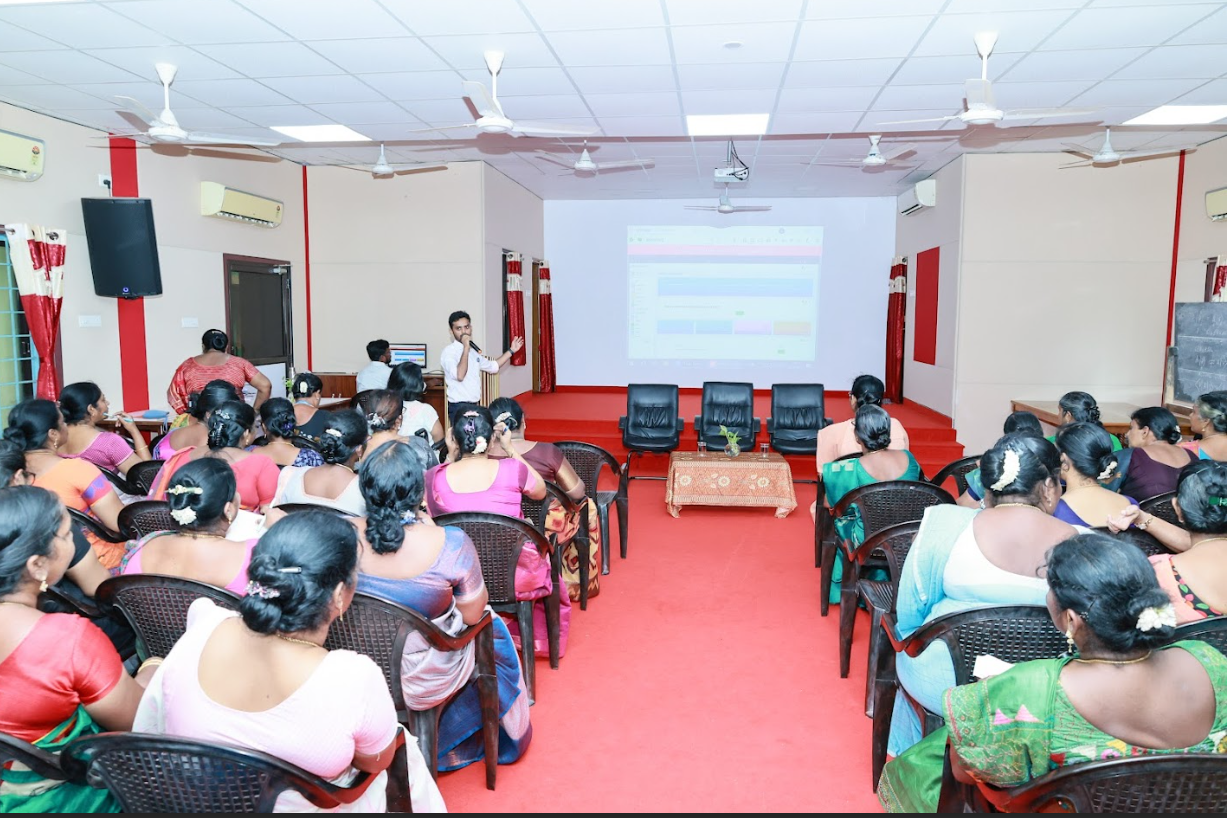
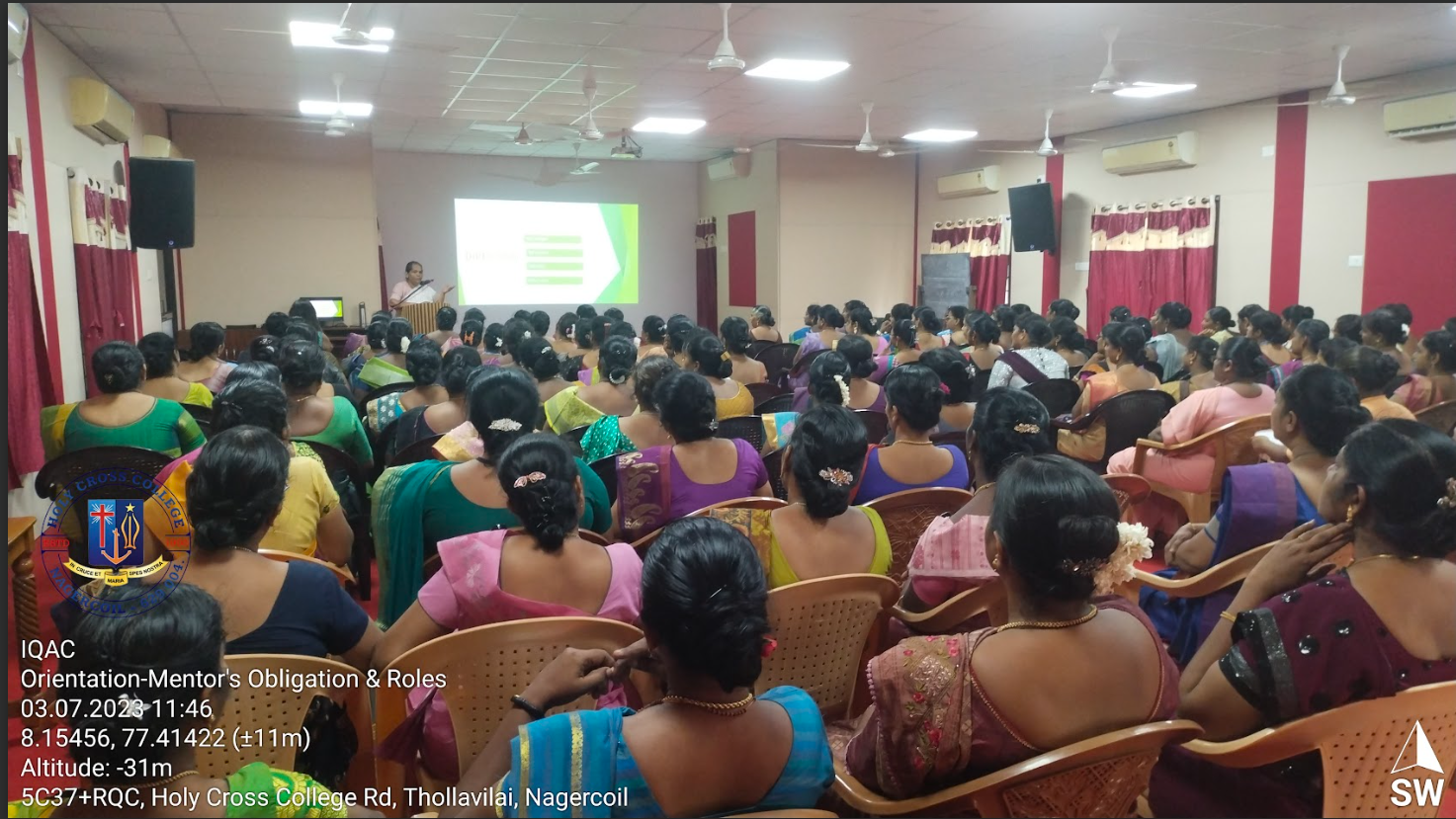
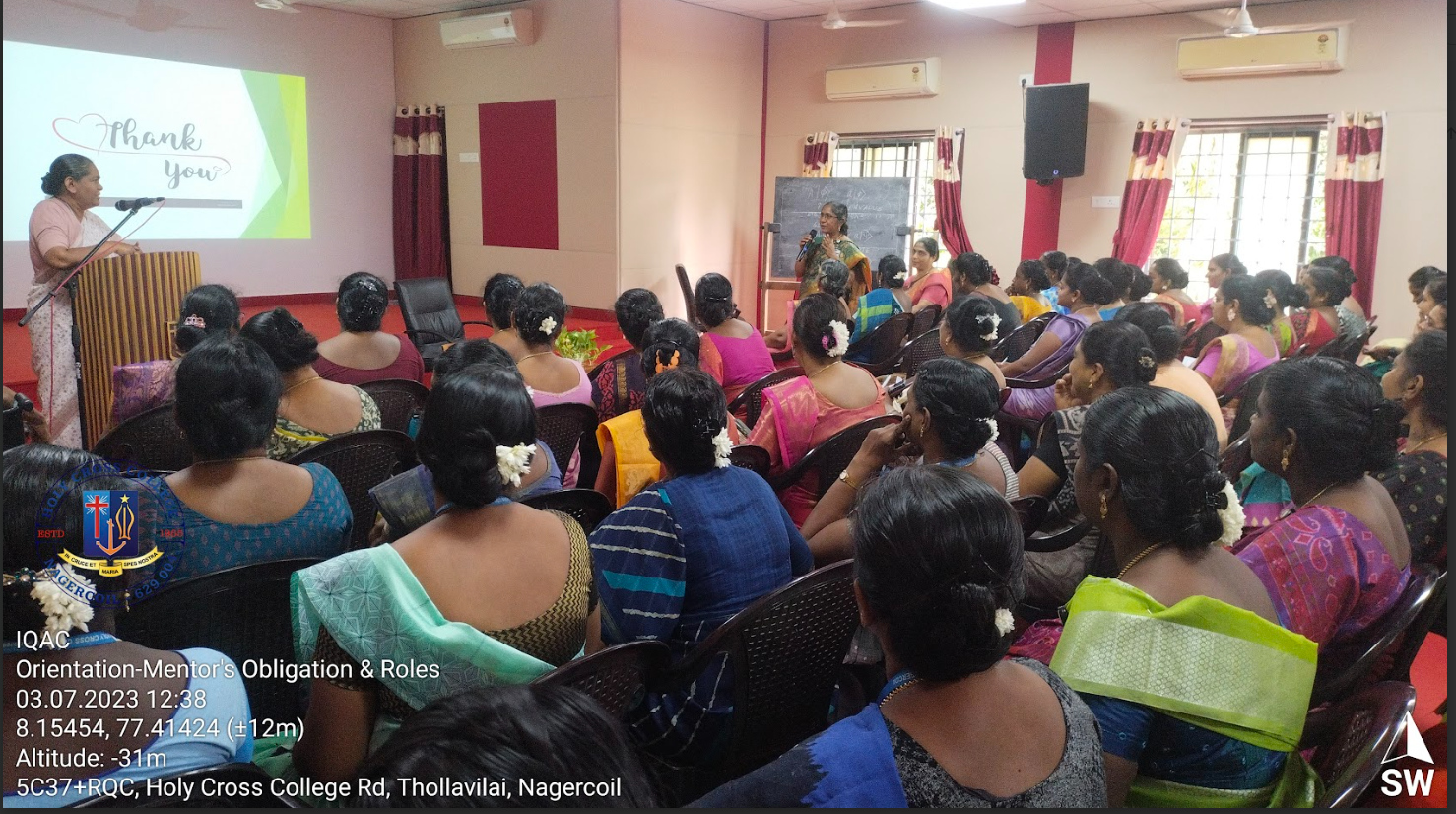
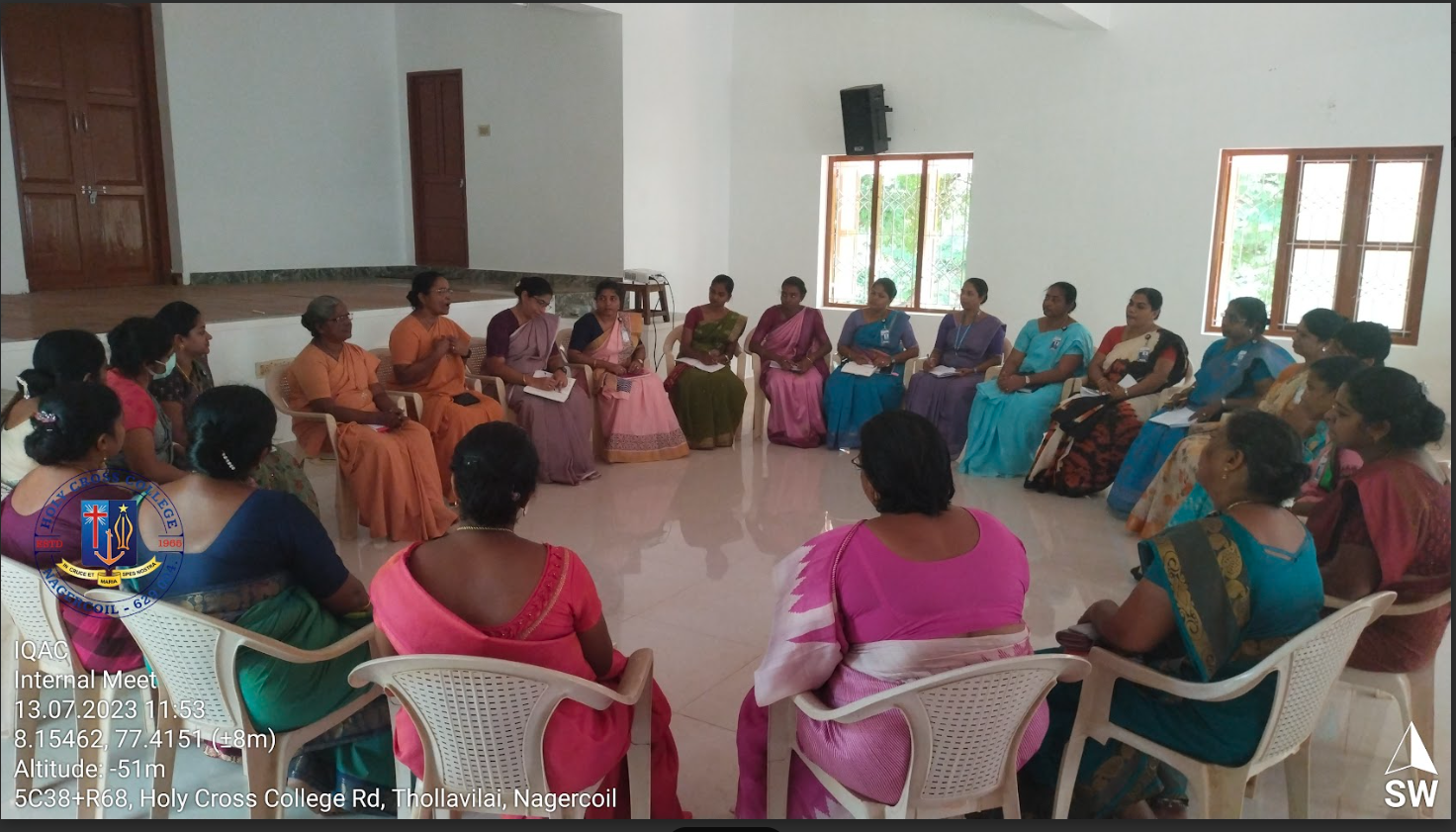
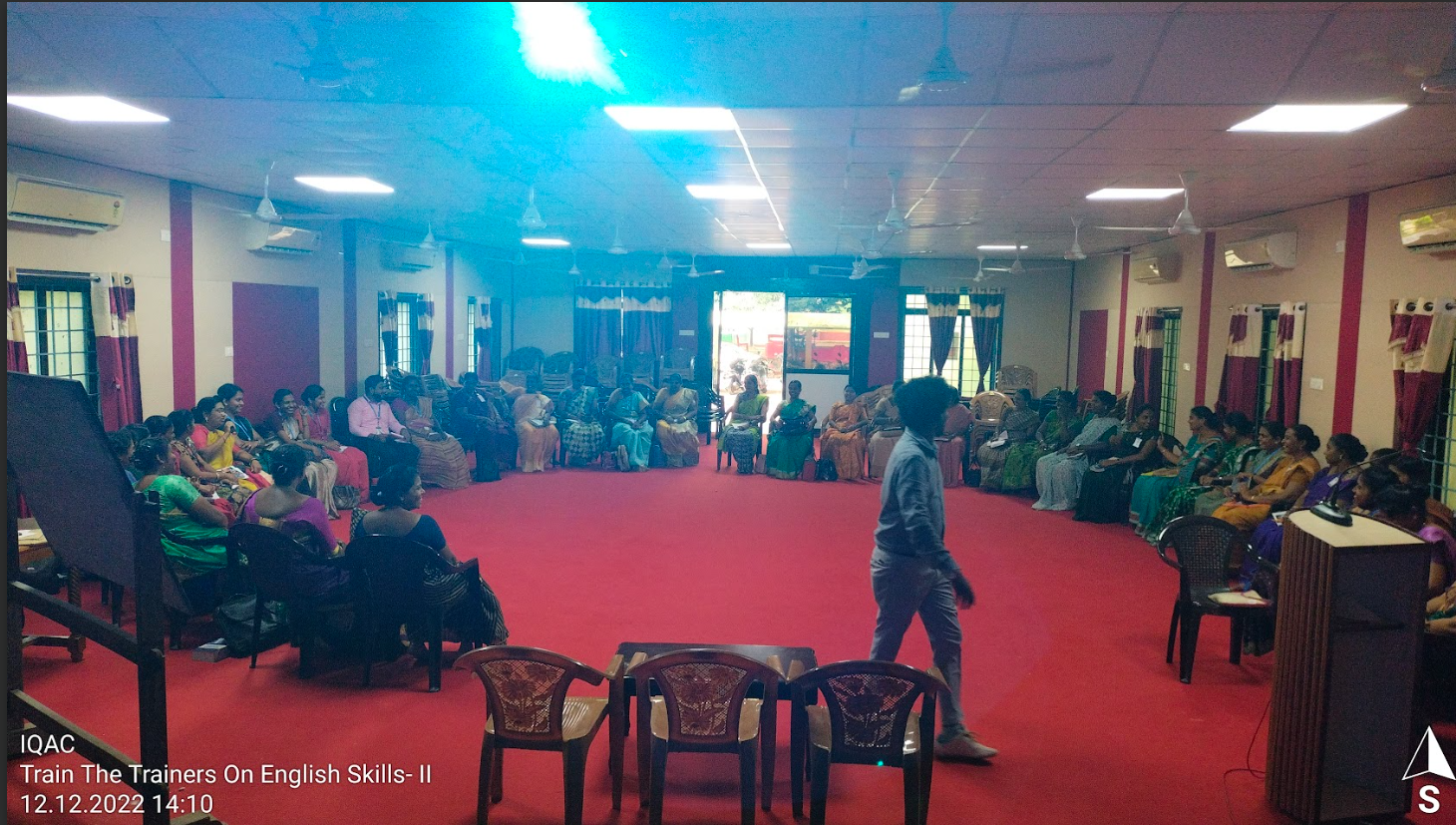
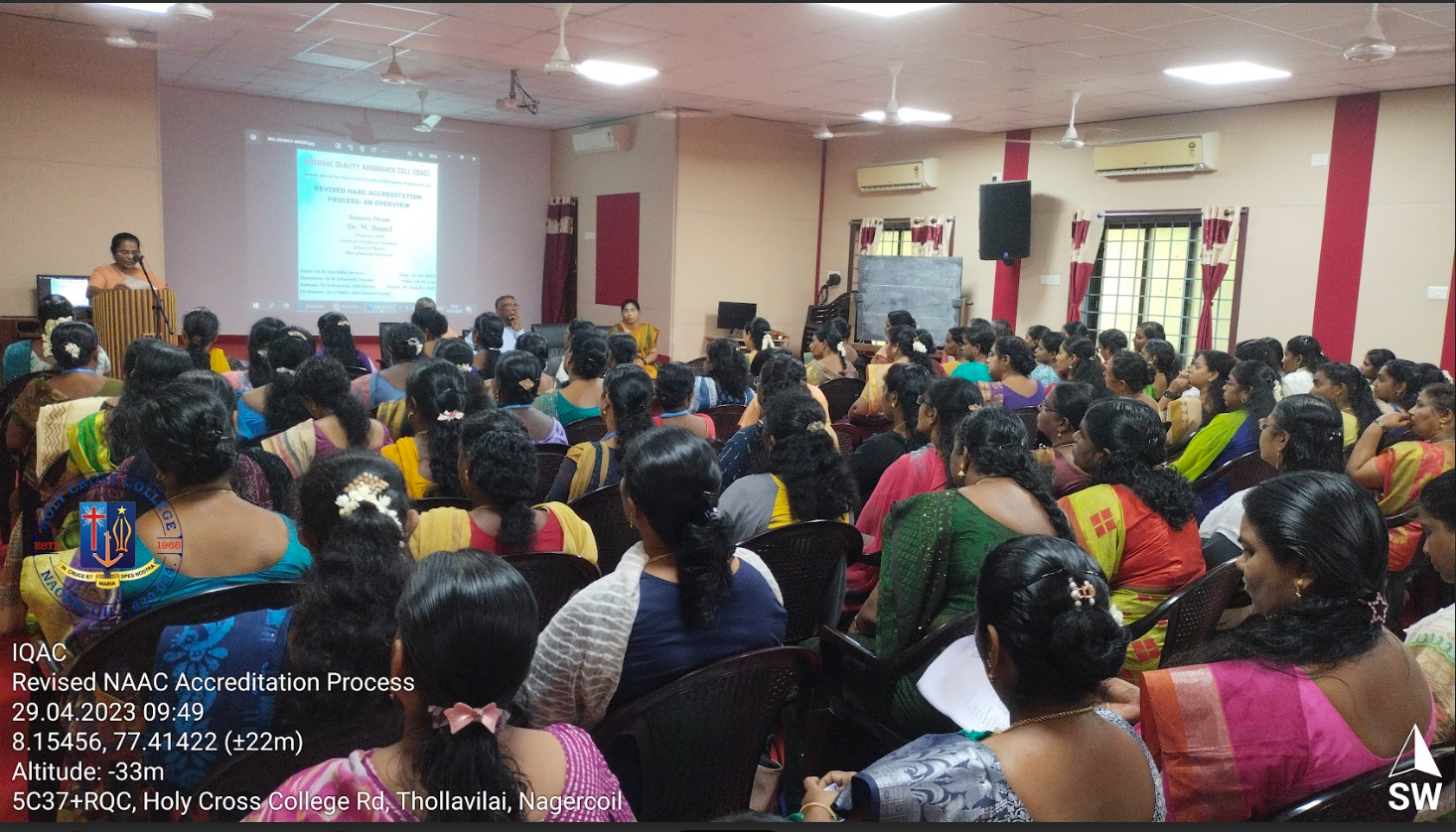
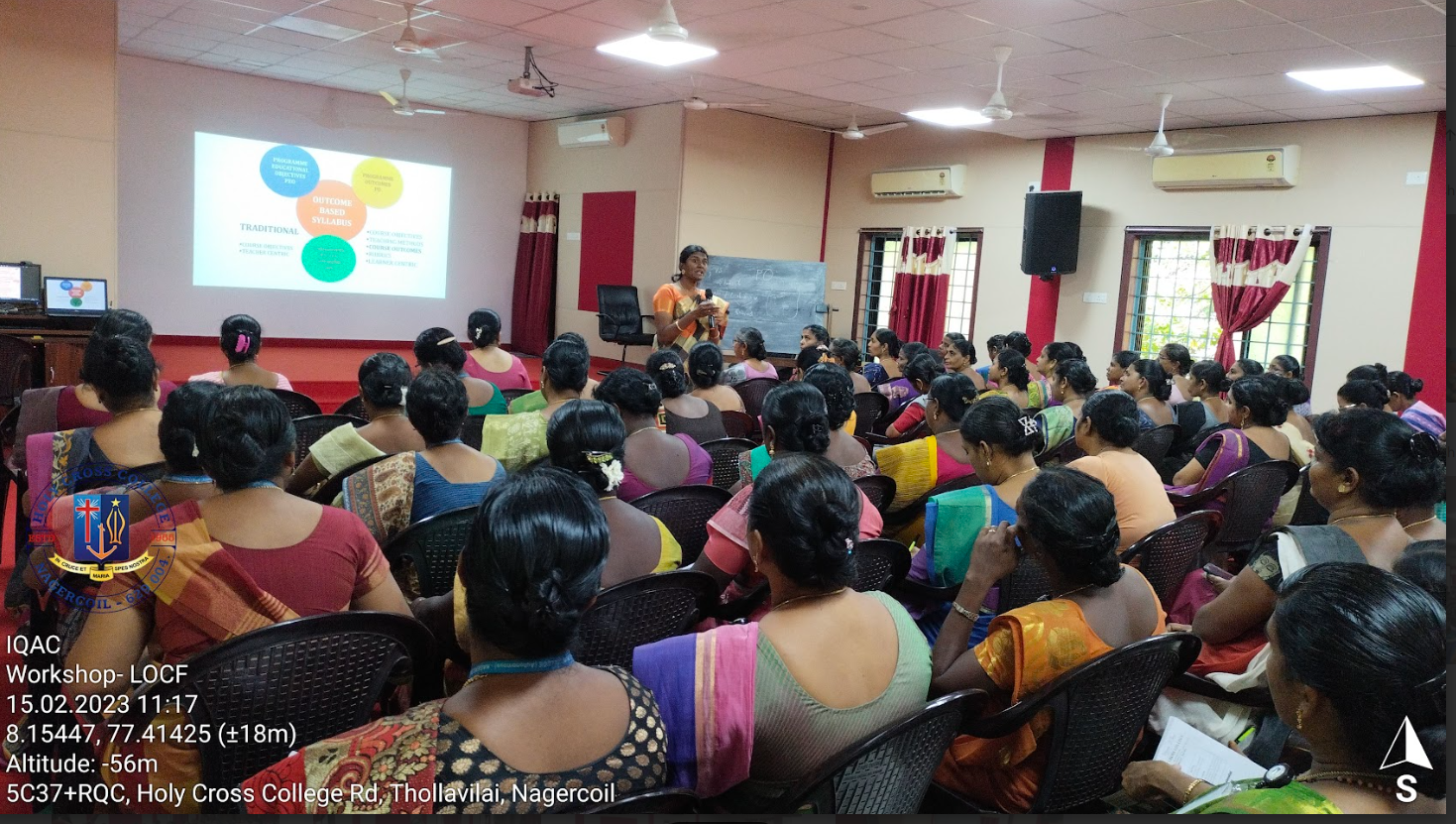
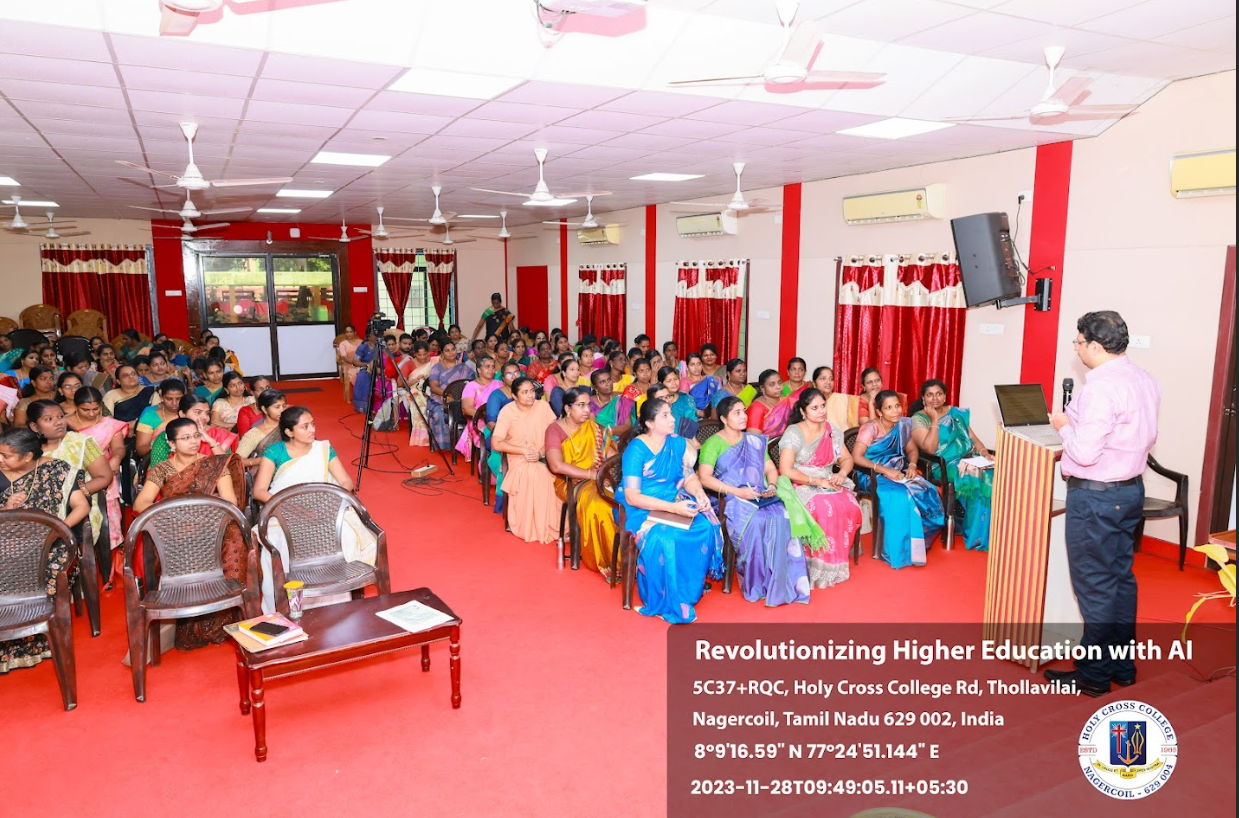
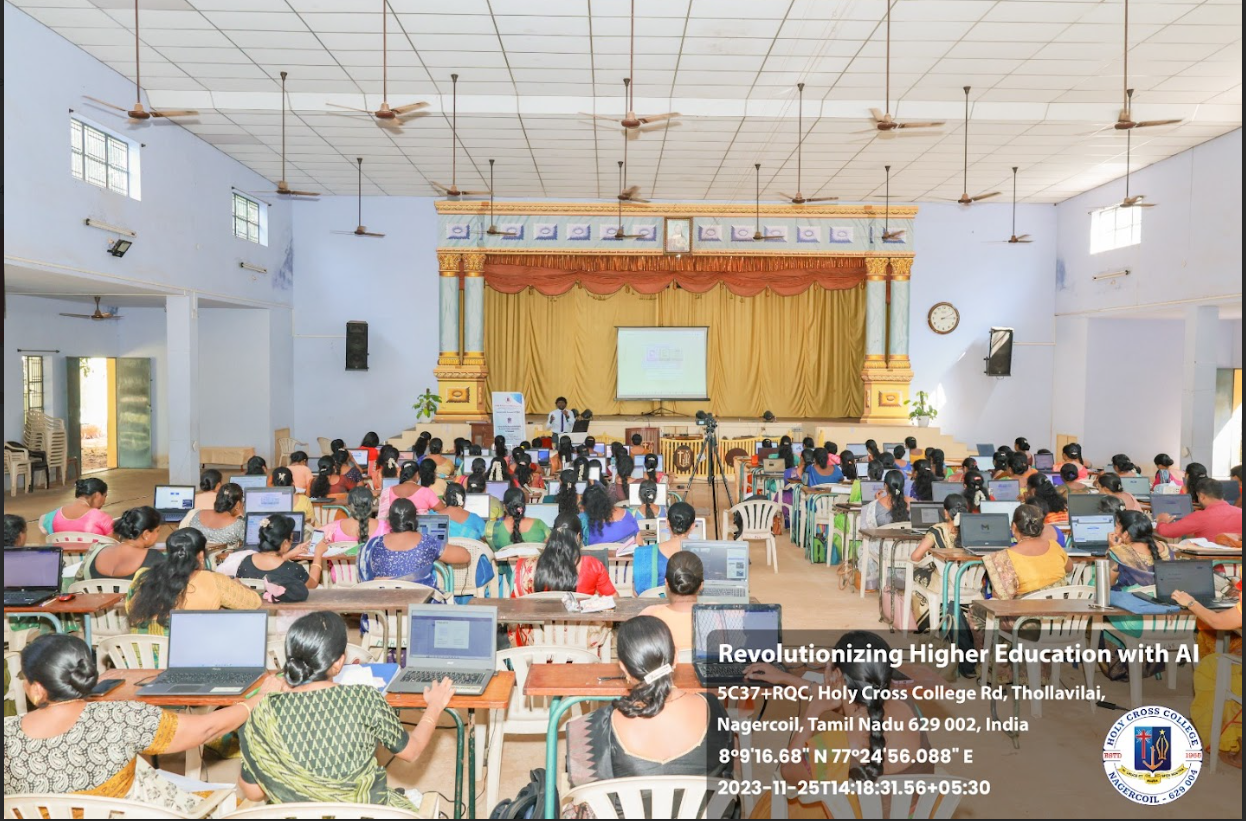
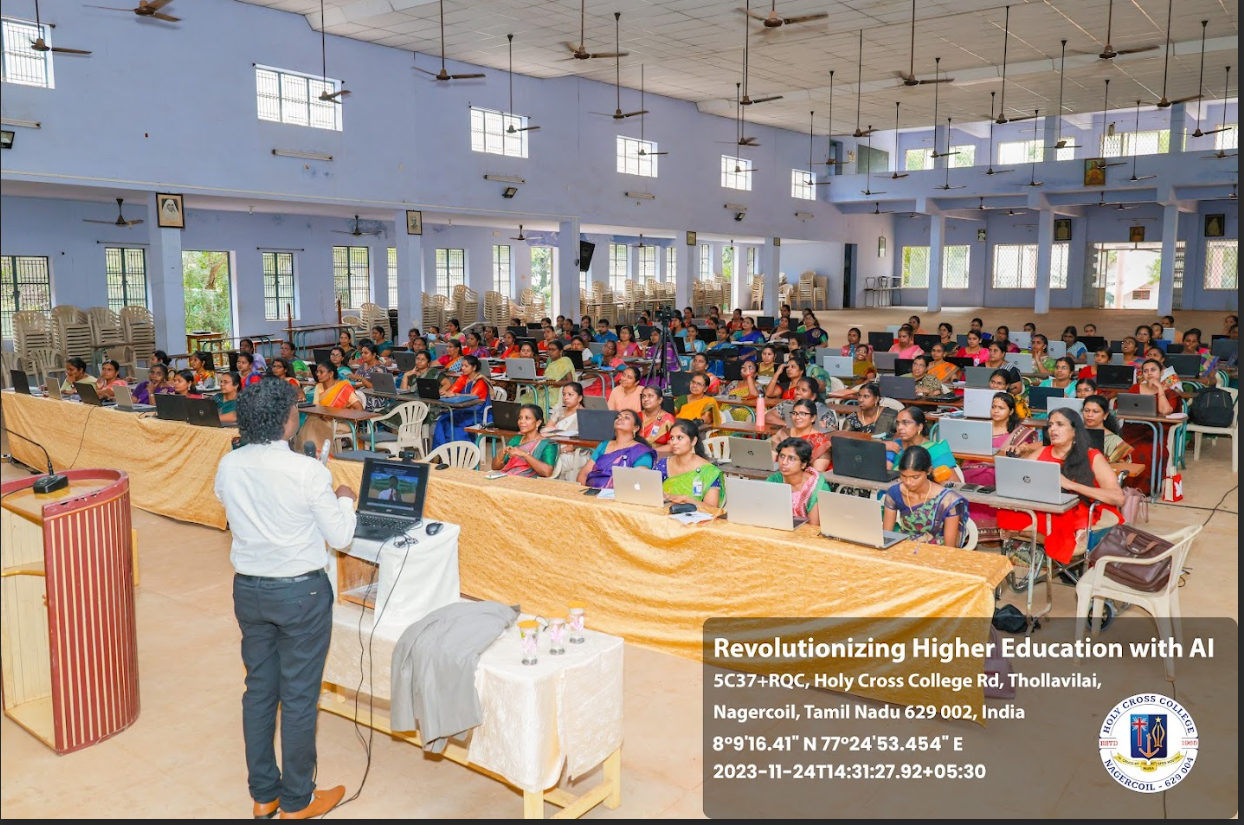
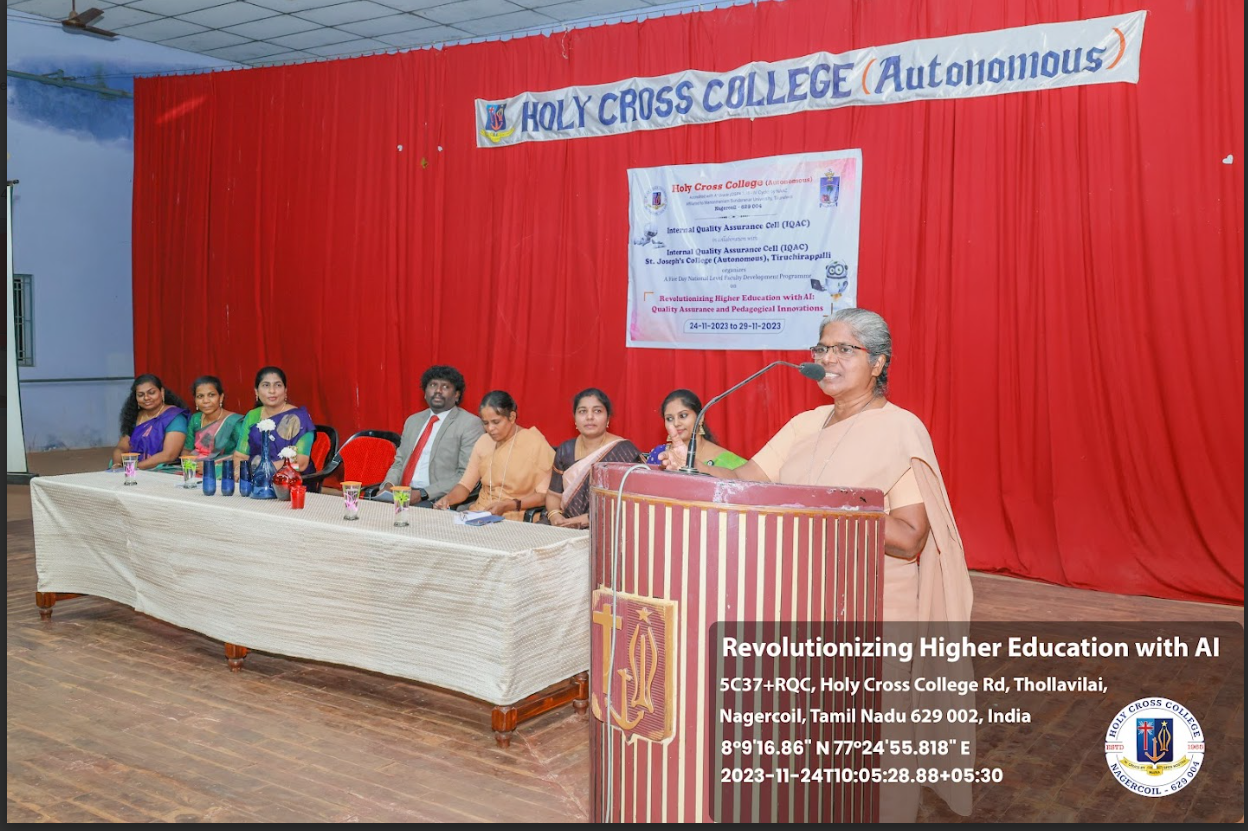
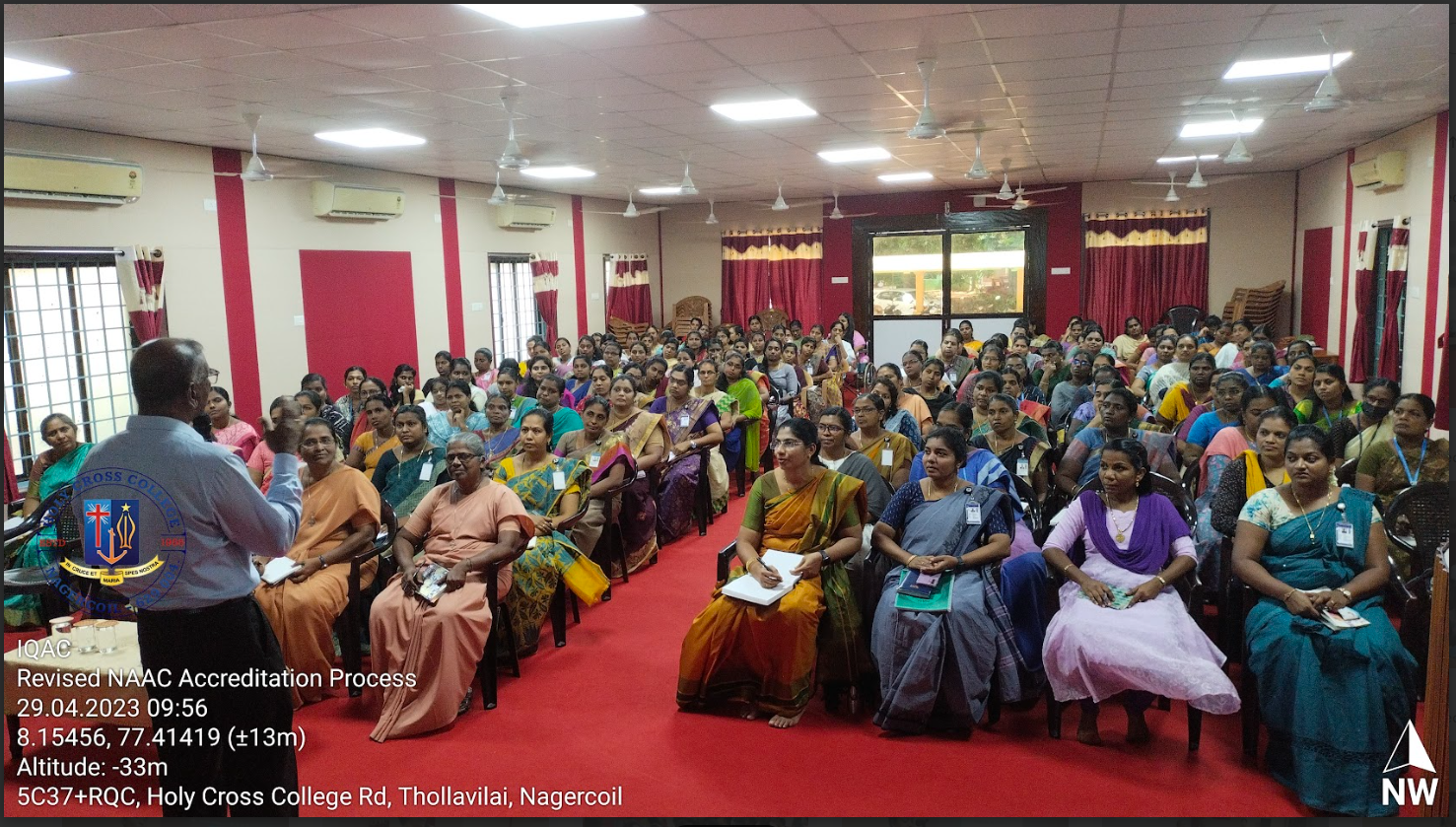
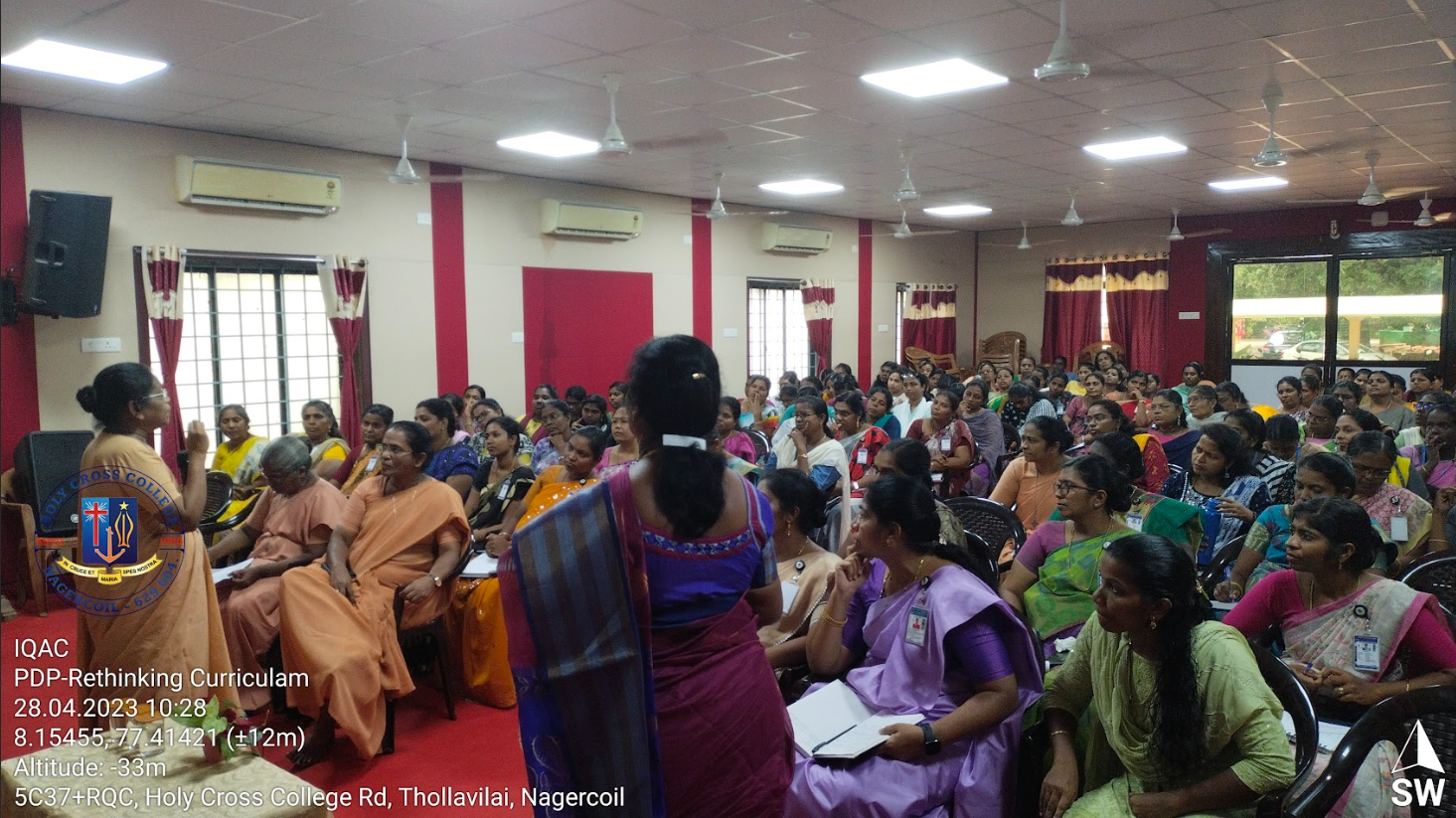
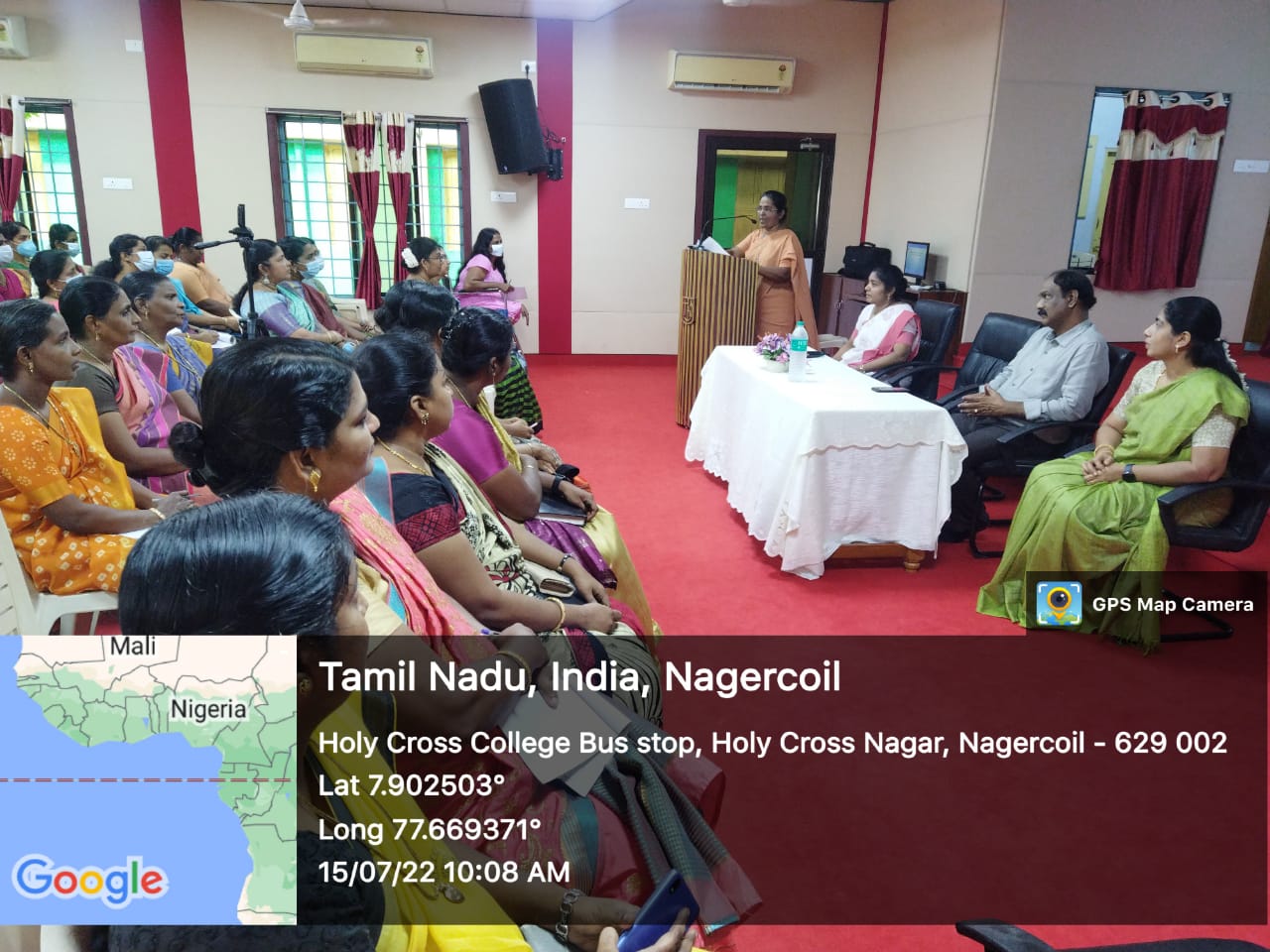
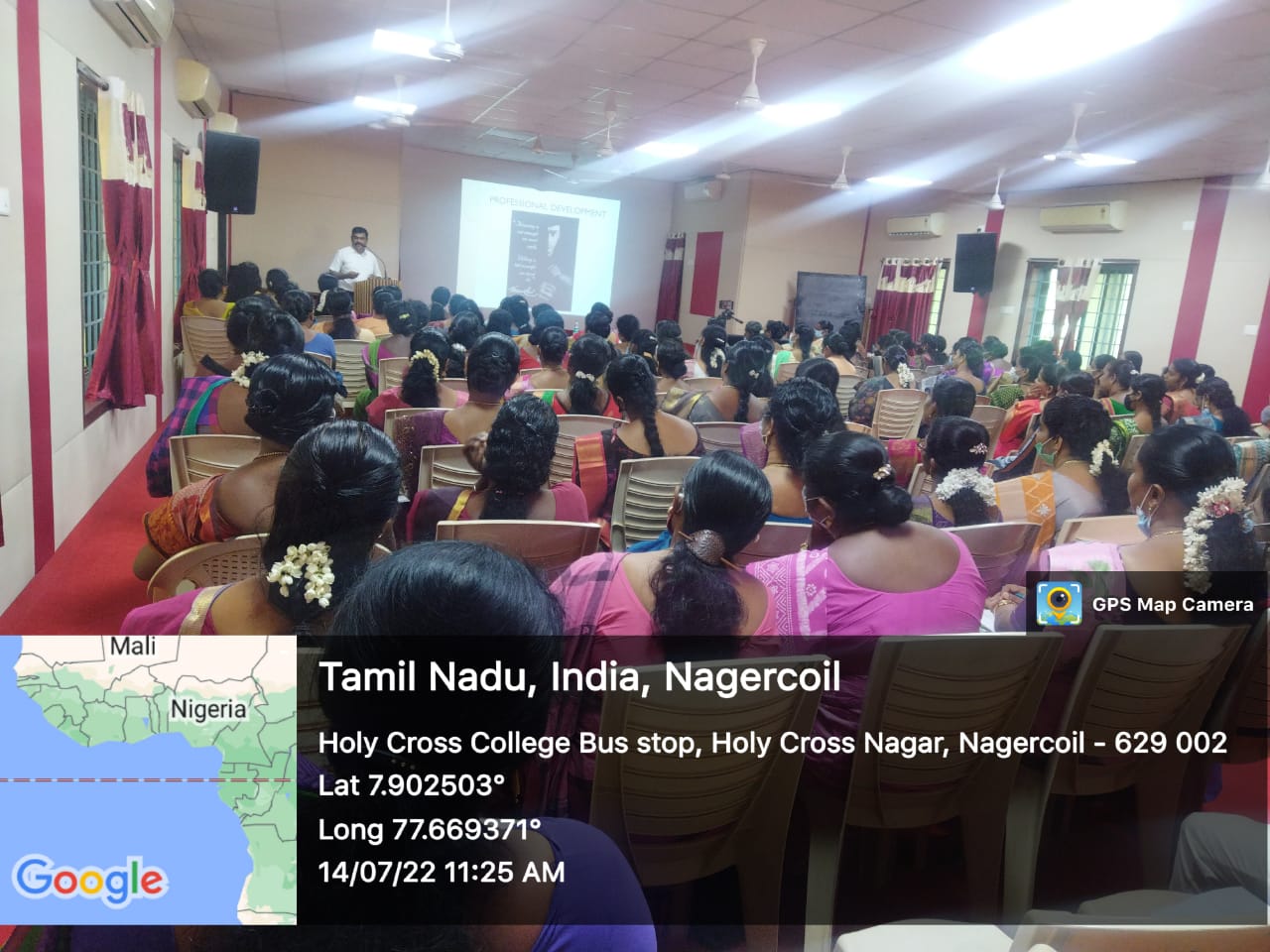
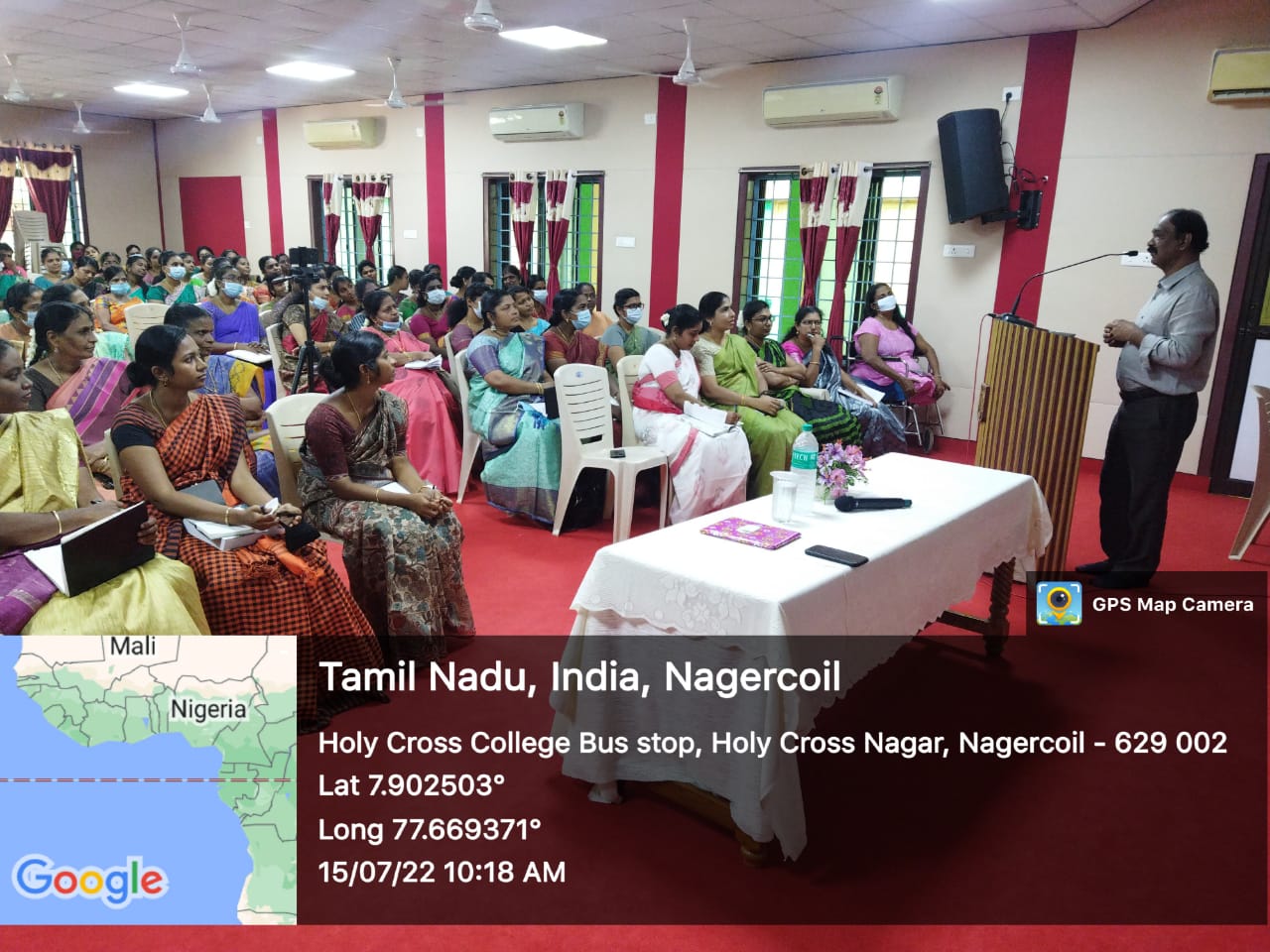
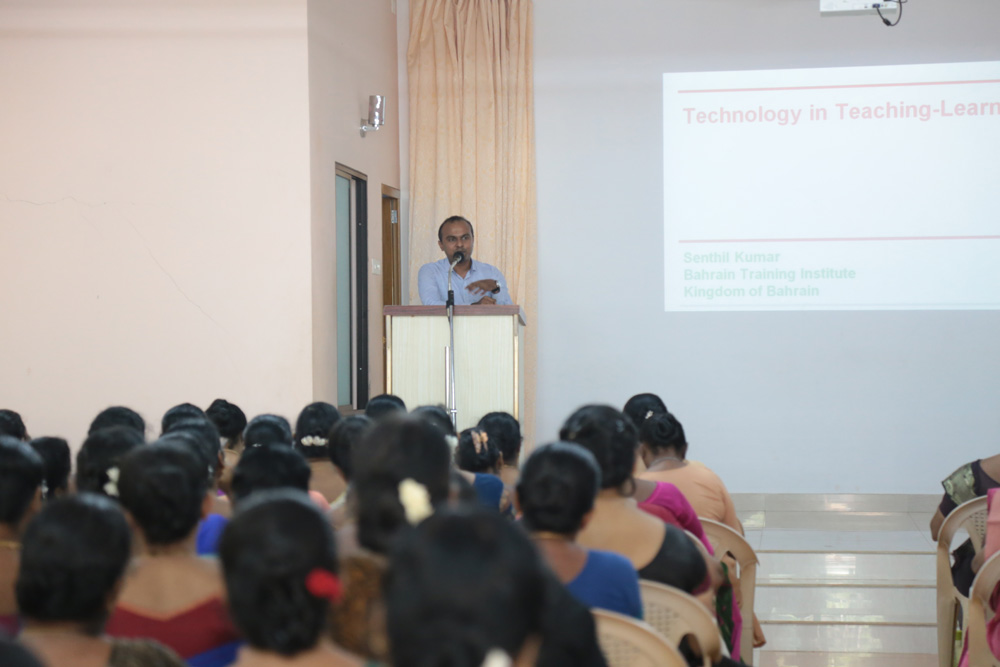
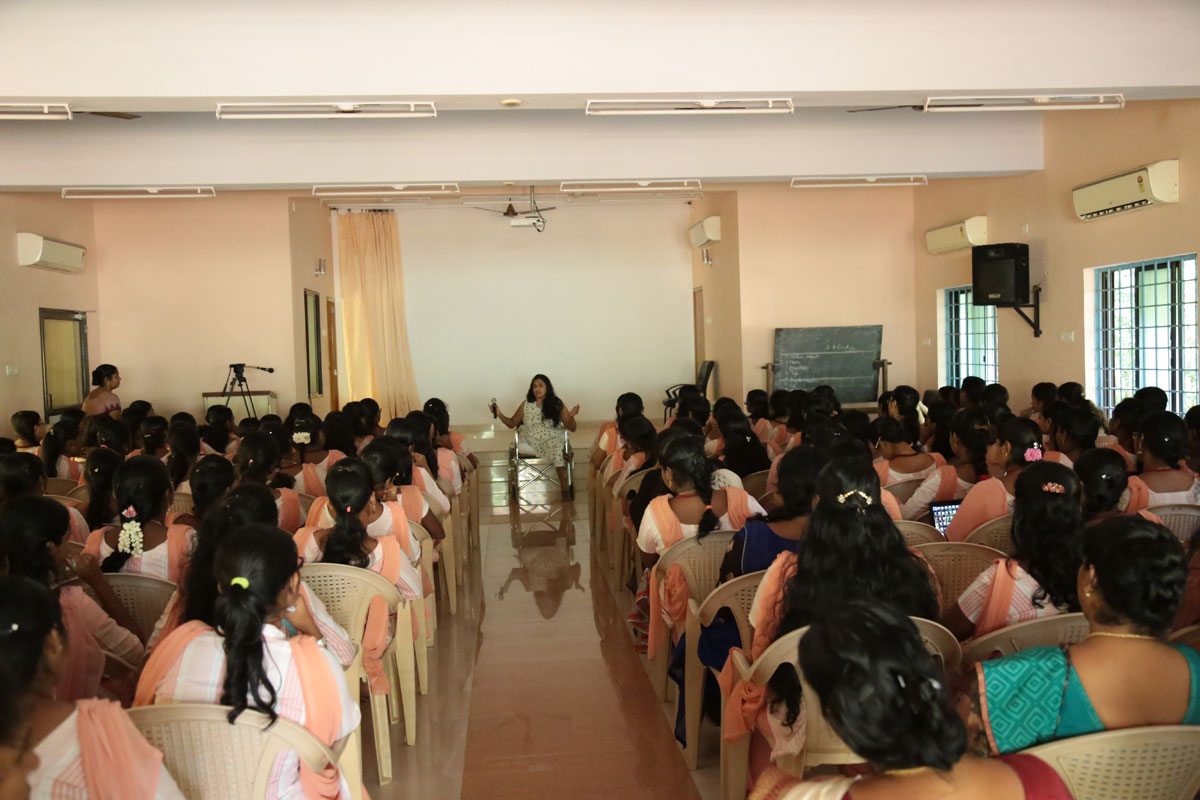
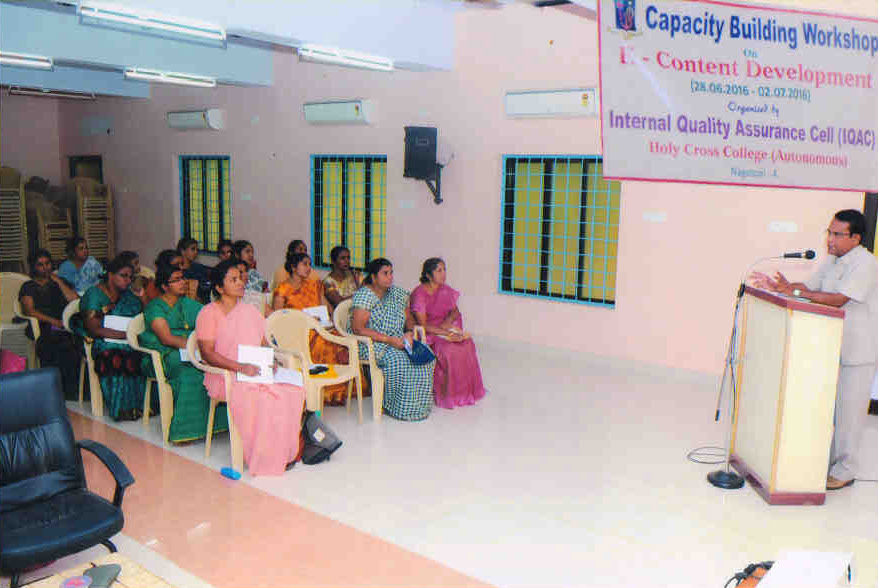
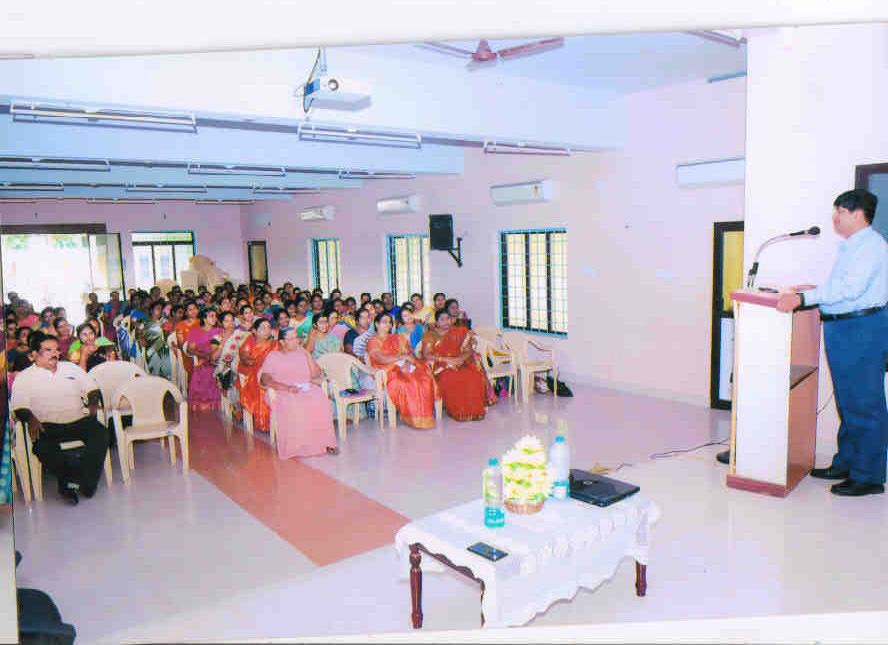
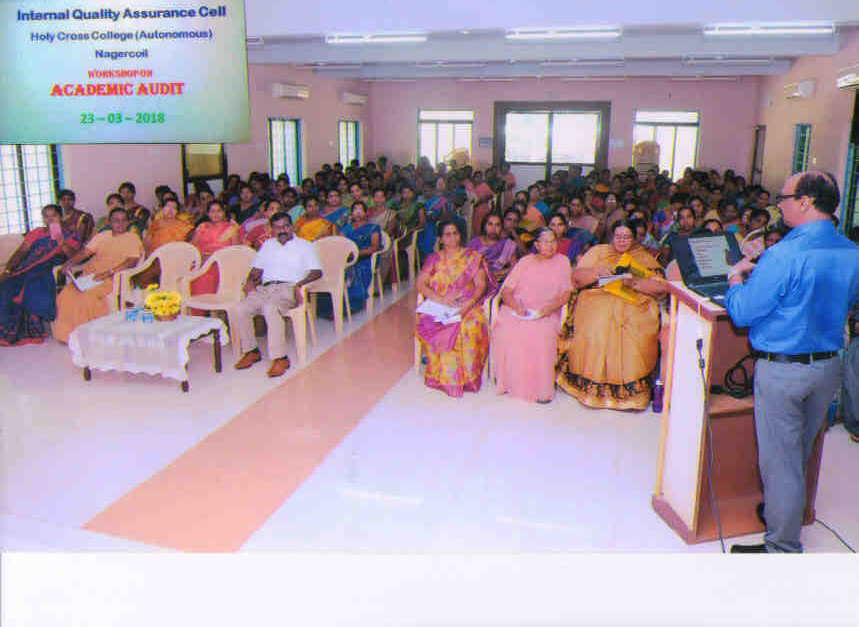
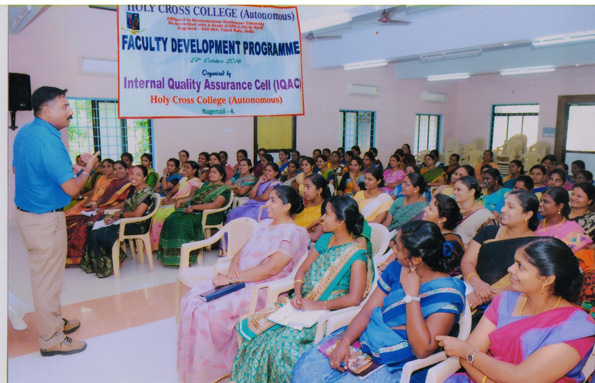
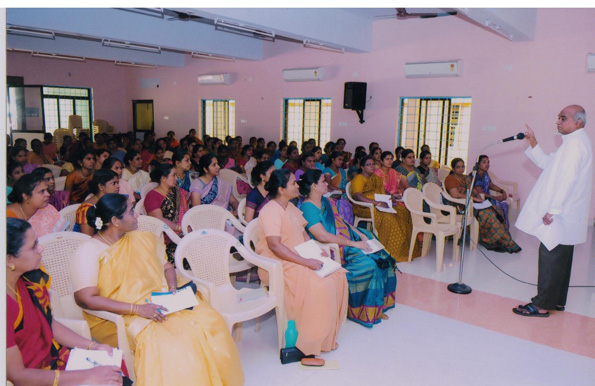
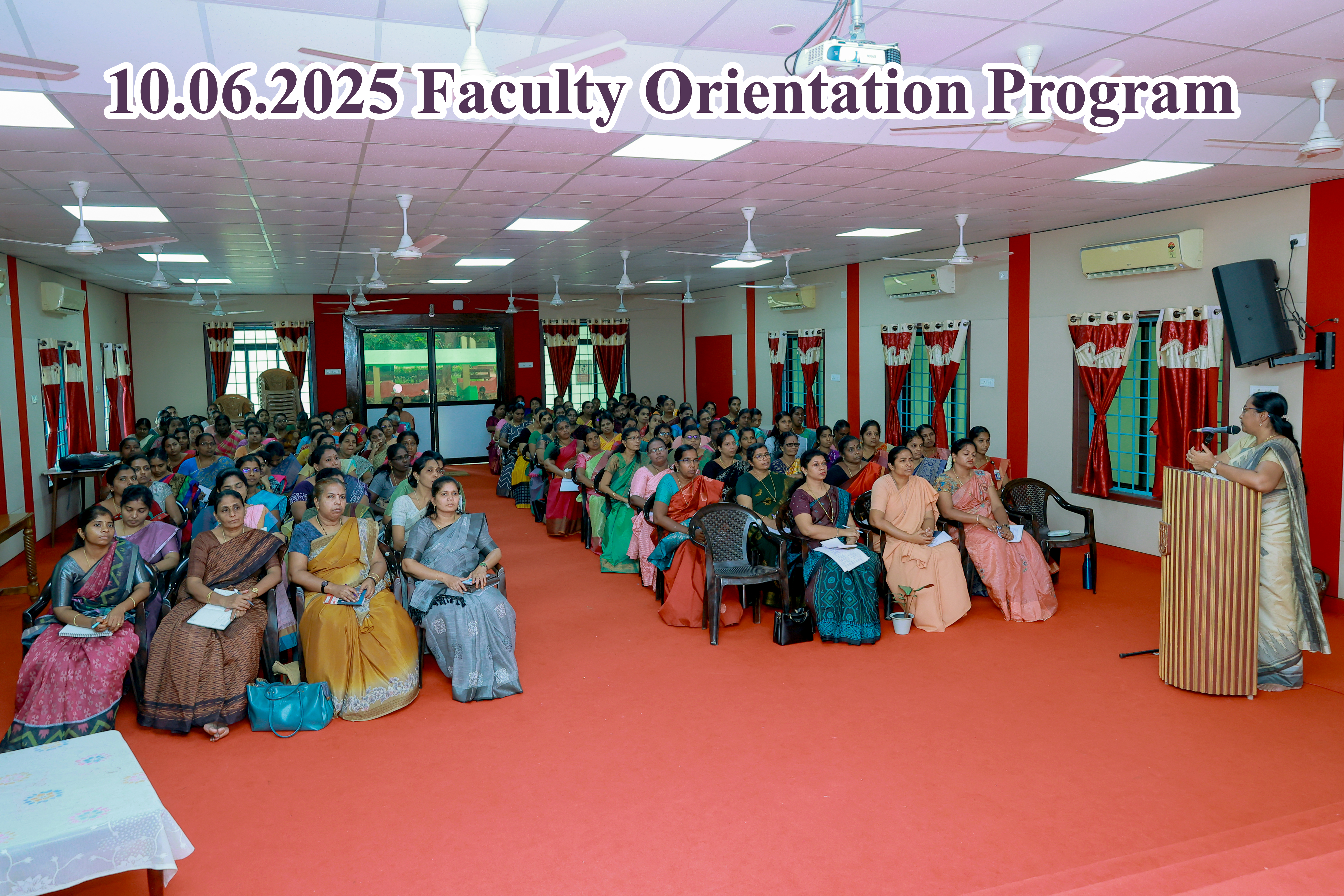
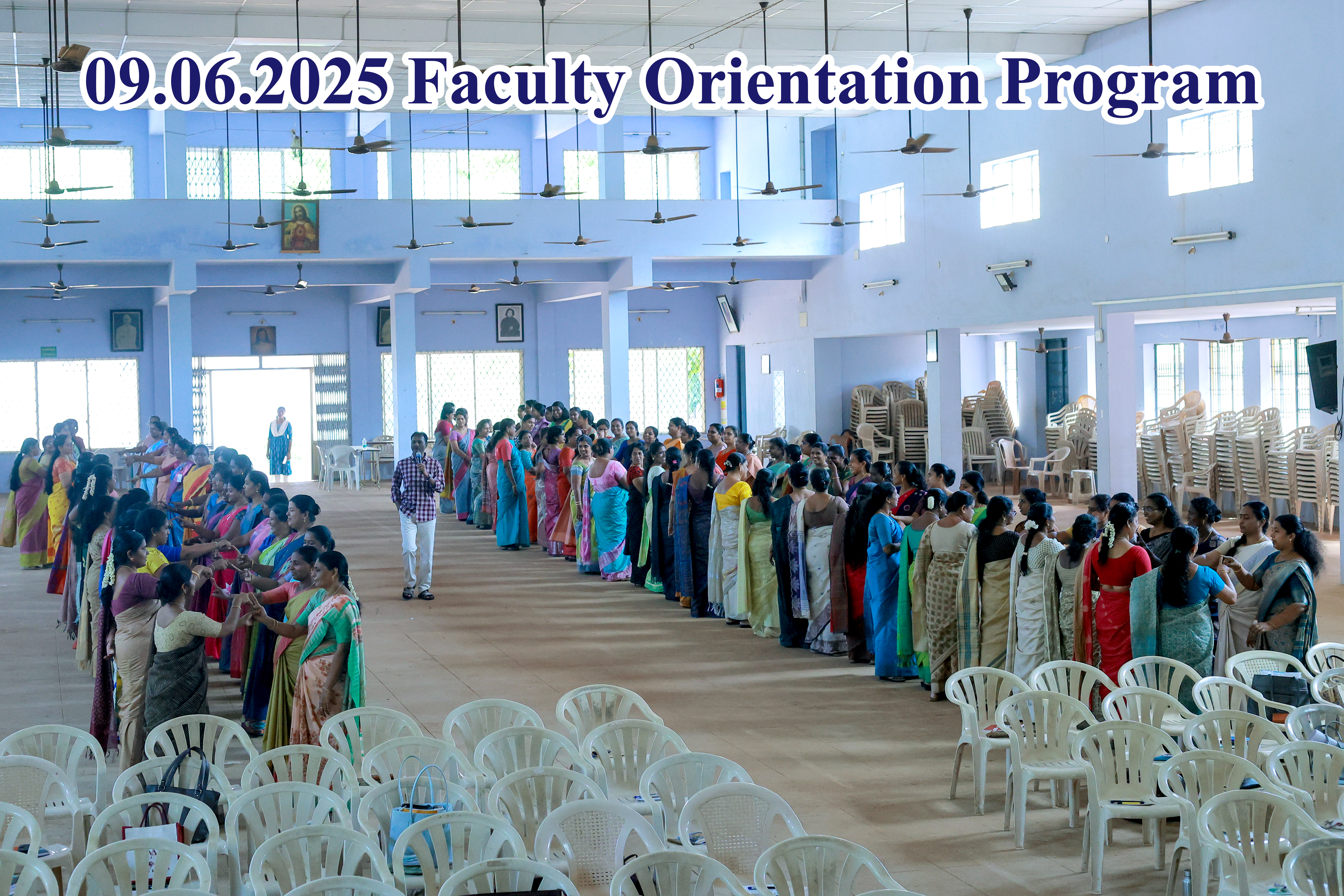
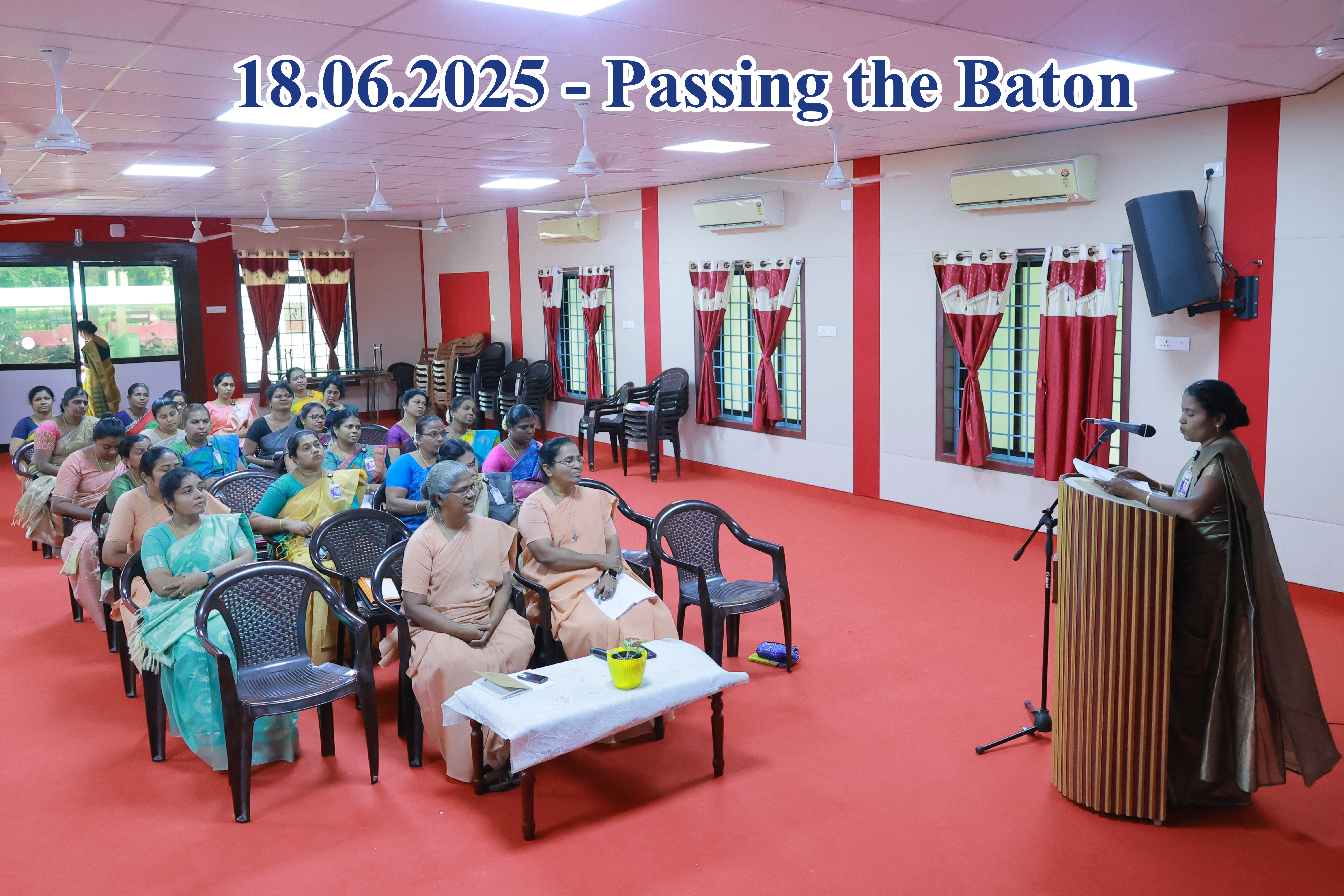
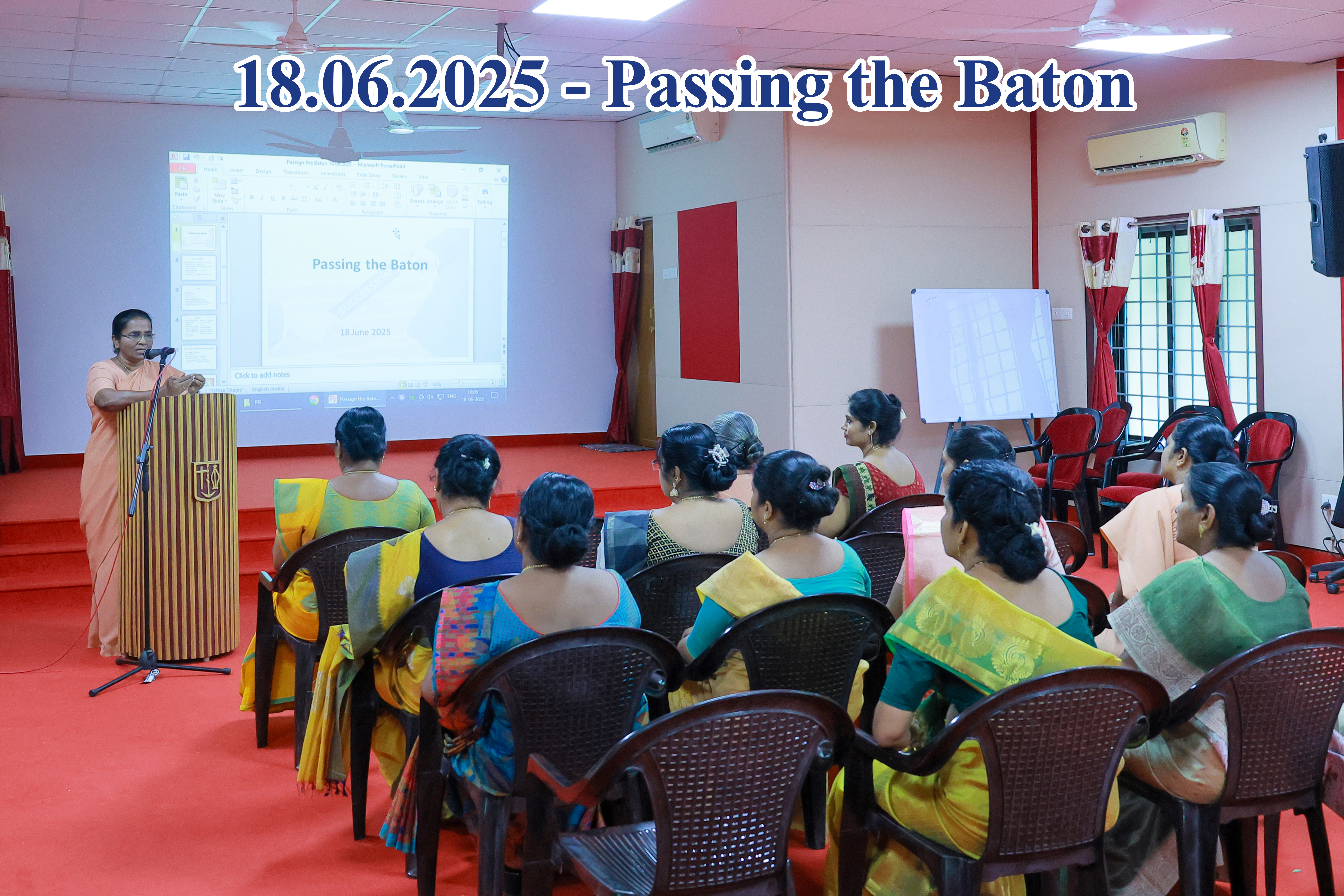
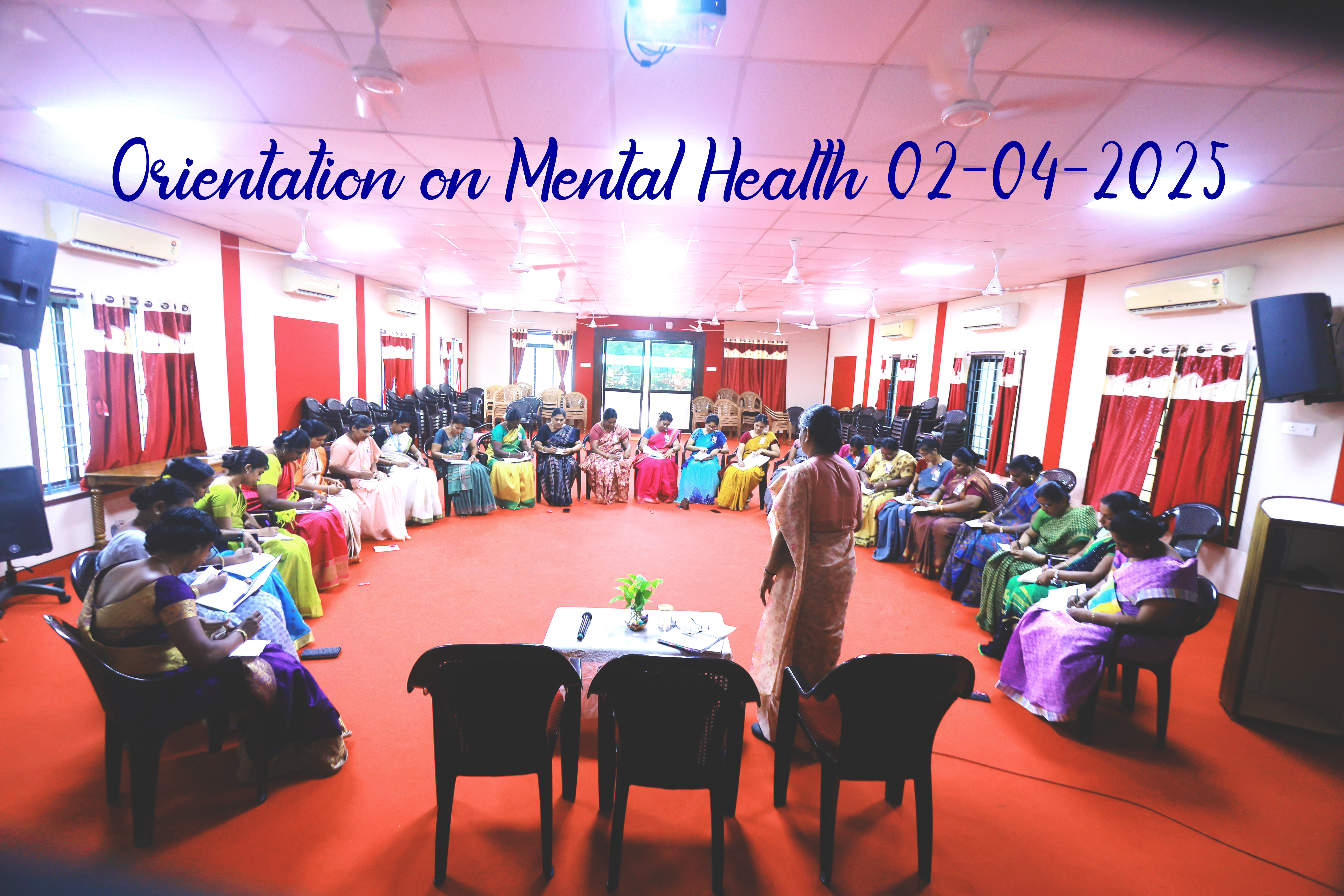
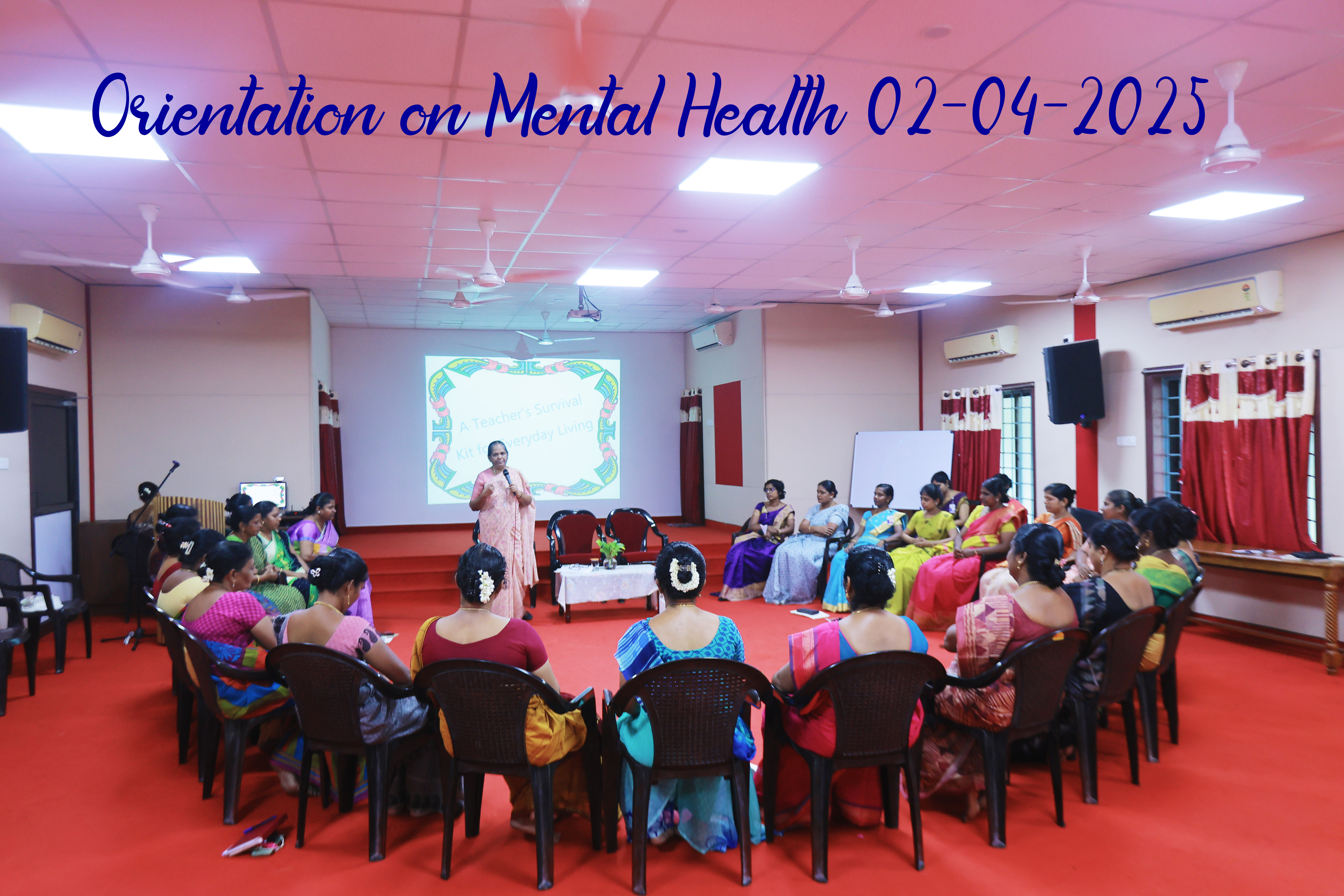
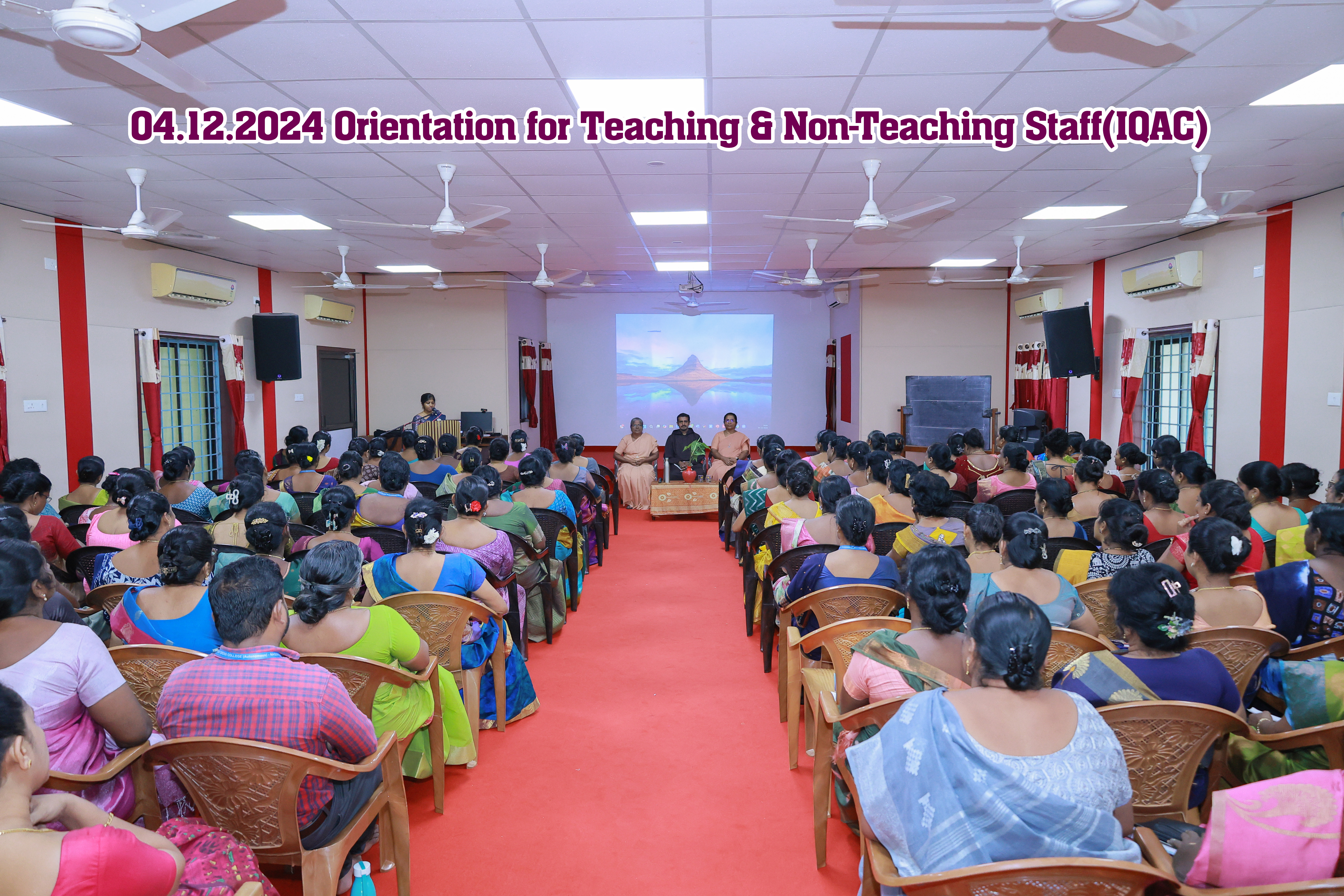
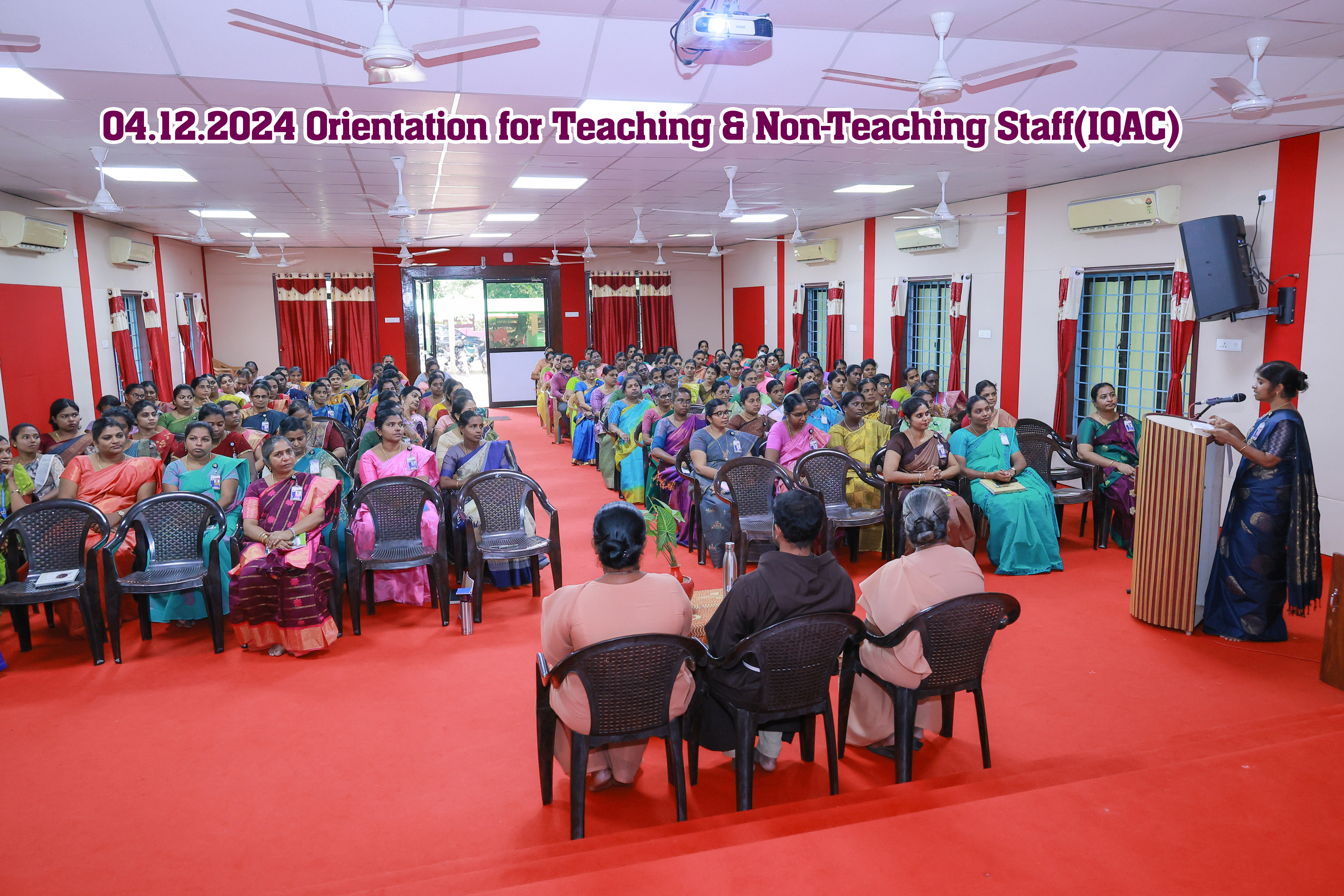
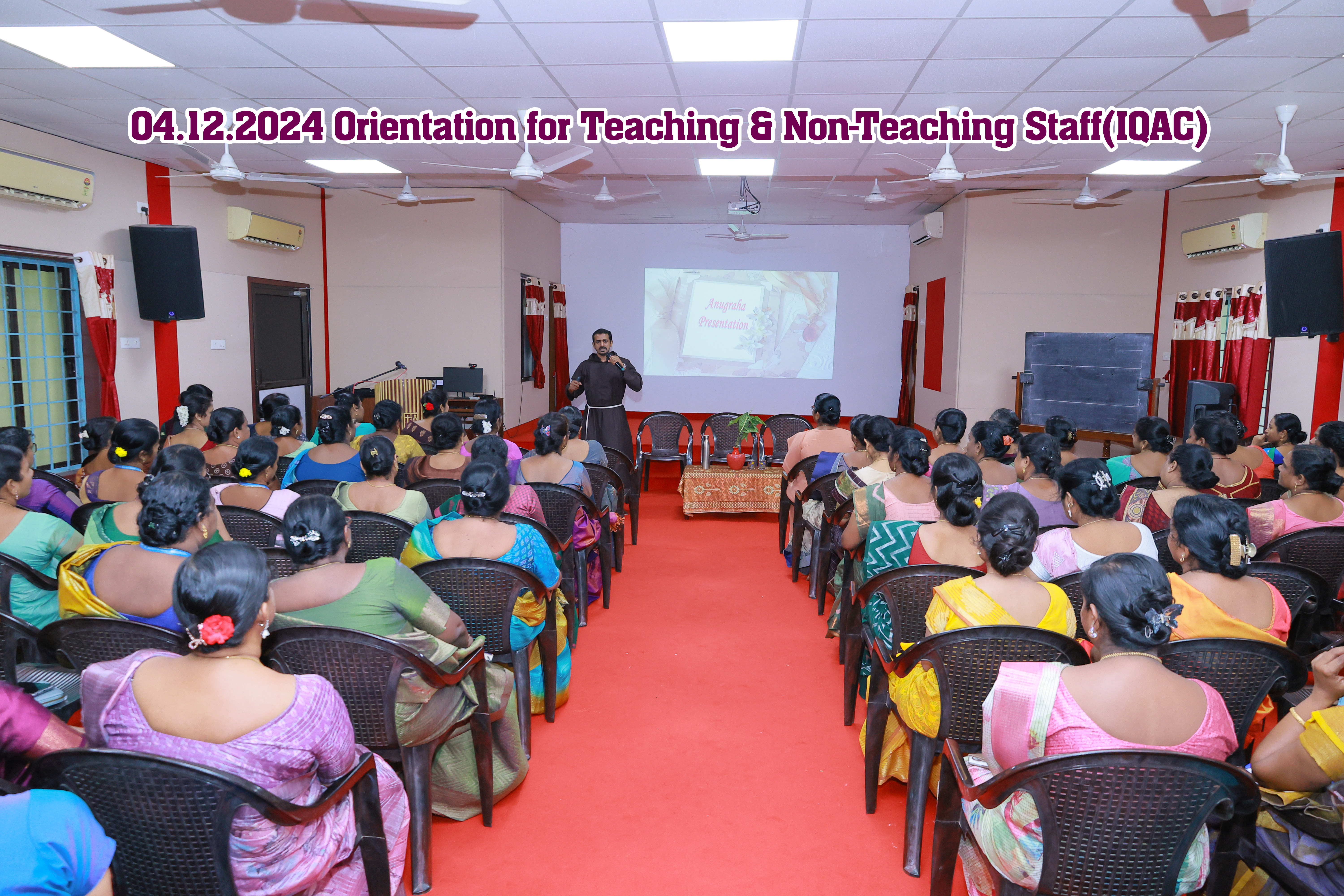
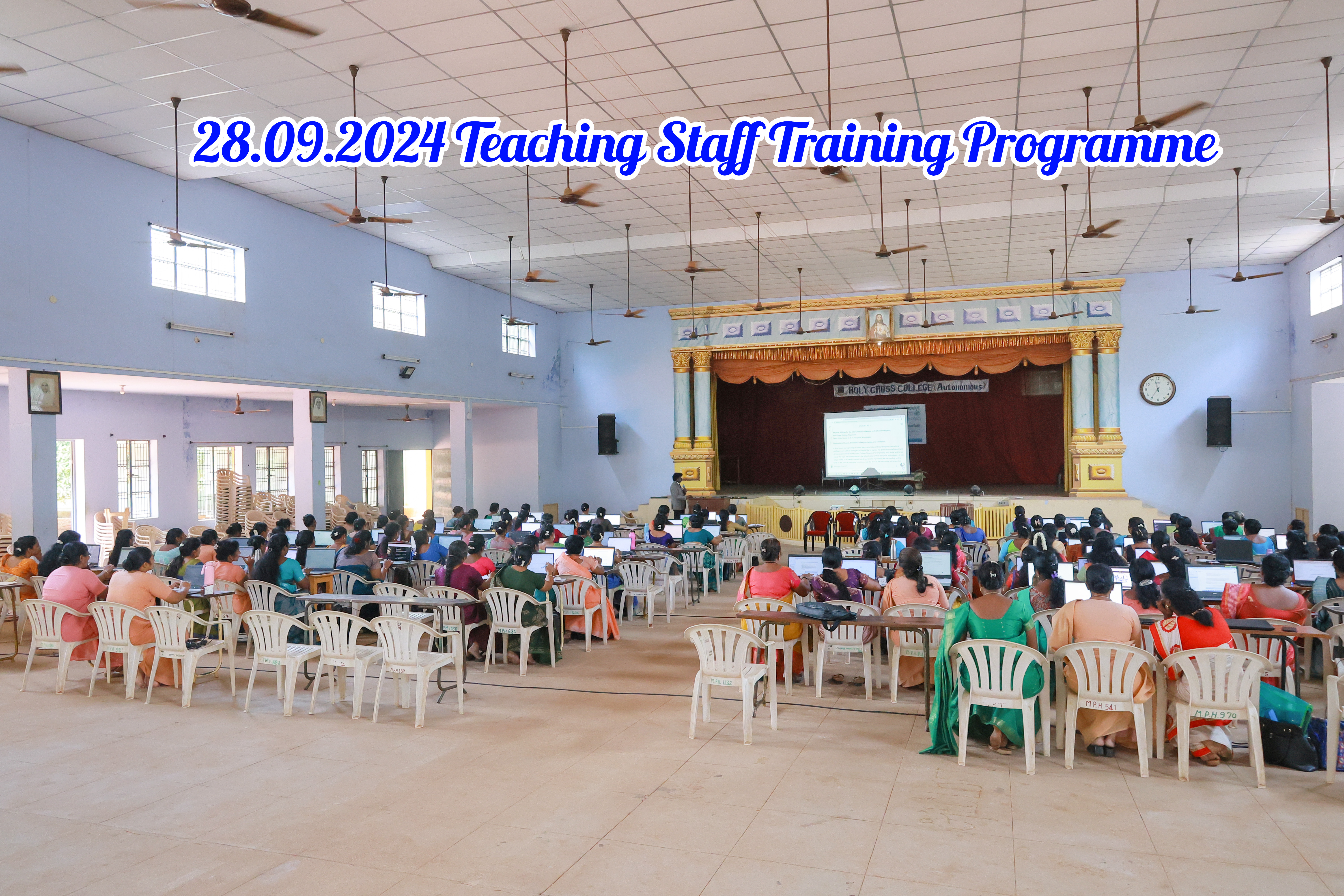
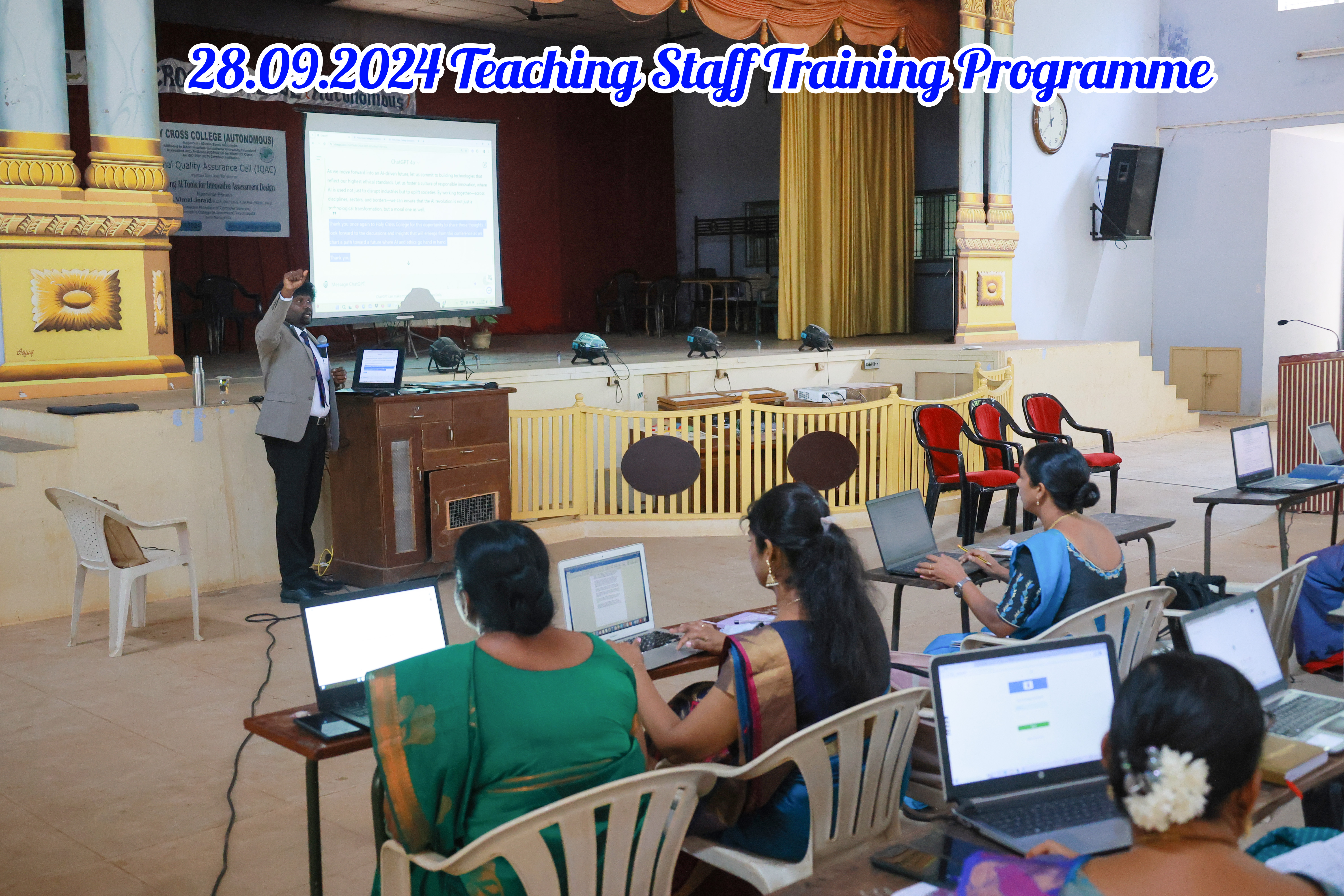
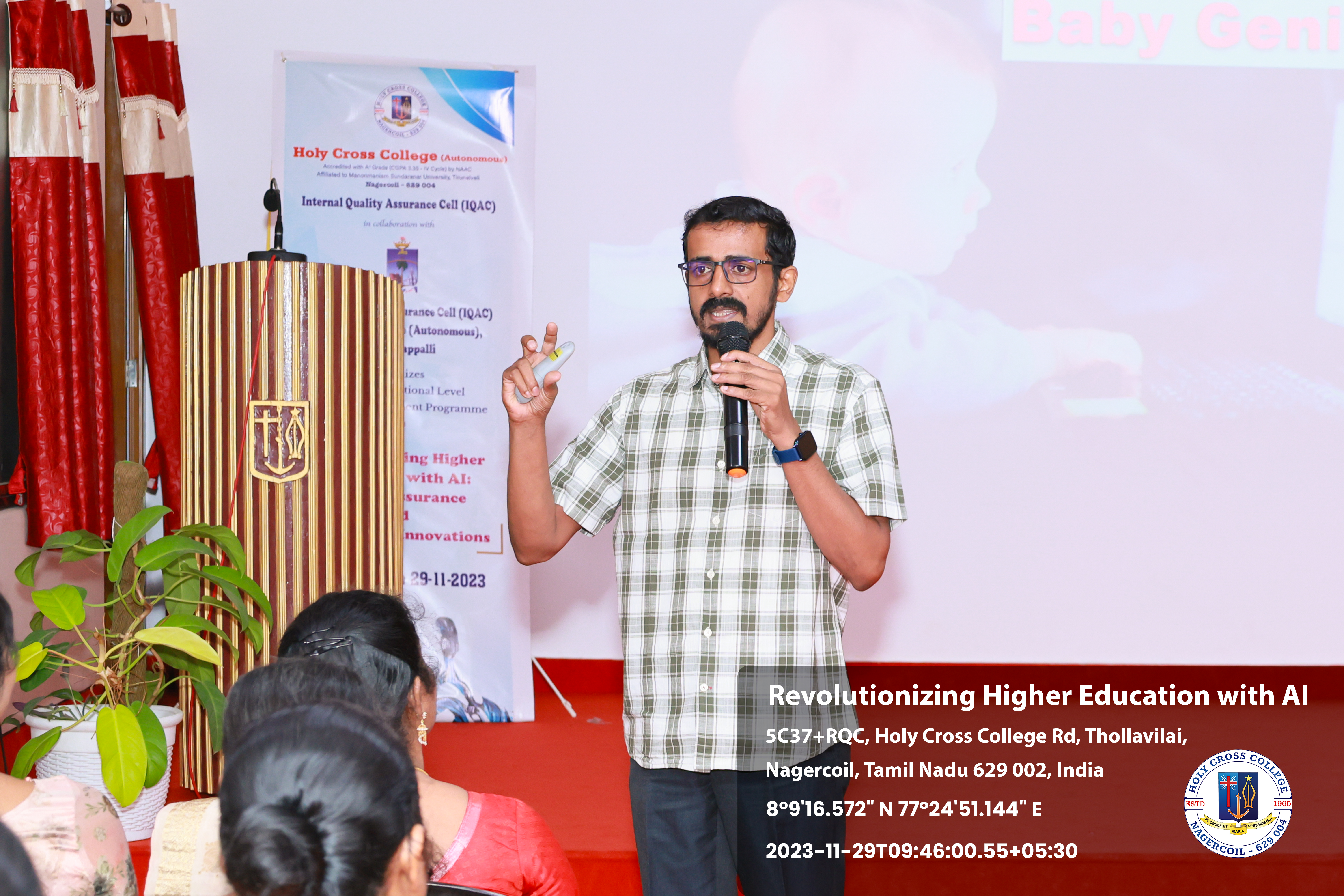
Capacity Building: Organize training programmes, workshops, and seminars for faculty and staff to update their skills and enhance professional development.
Curriculum and Skill Development: Facilitate curriculum revisions that integrate modern technology and entrepreneurship, implementing skill development initiatives to equip students.
Collaboration and Networking: Foster collaboration with other institutions and organizations to share best practices, enhance quality assurance efforts, upskill students, and promote knowledge exchange.
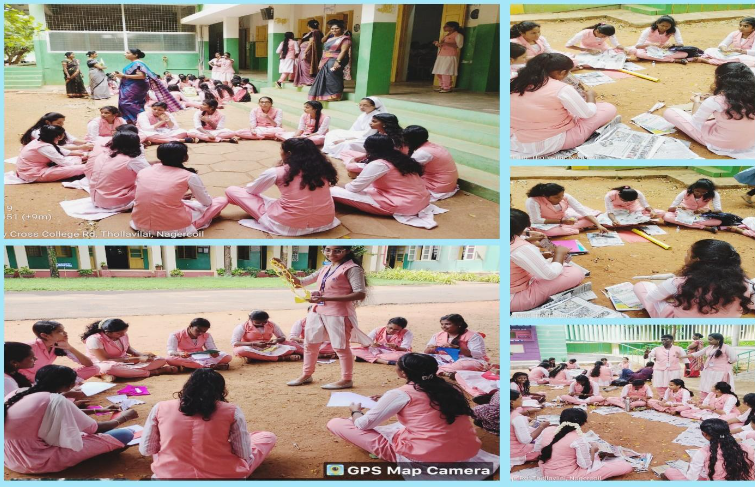
Outreach Programmes: Implement outreach programmes that connect the institution with the community to promote mutual growth and awareness of quality initiatives.
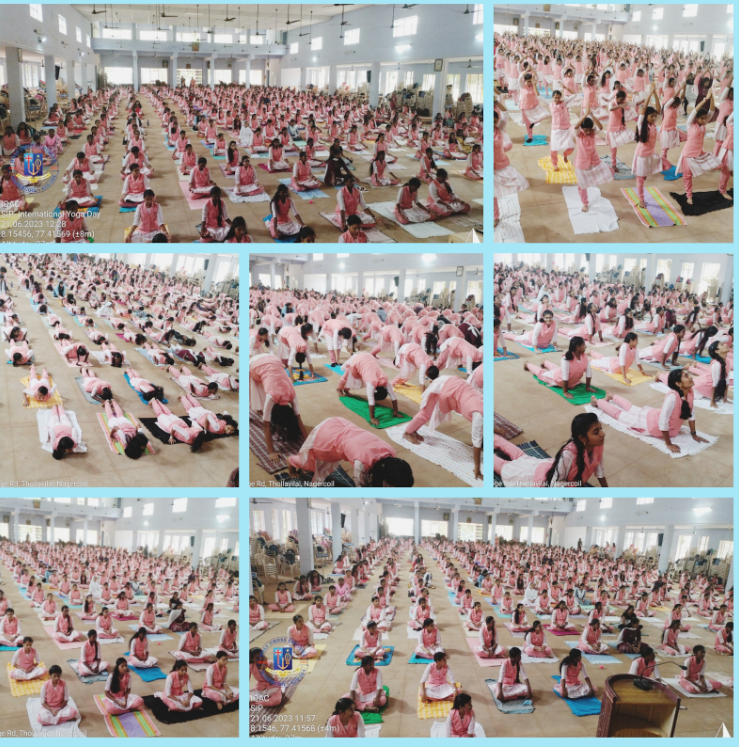
Sustainability Initiatives: Promote sustainable initiatives within the institution to ensure environmentally and socially responsible practices in all operations.
Feedback : Establish a feedback mechanism to drive quality improvement and sustain initiatives, ensuring tangible results.
Performance Evaluation: Conduct regular evaluations of faculty performance and academic programmes to identify areas for improvement and recognize excellence.
Documentation: Document college programmes and activities that support quality improvement, maintaining comprehensive records of quality audits and enhancements.
Accreditation: Provide guidance and support for accreditation processes by preparing necessary documentation and facilitating the self-study report.
|
1 |
Dr. Sr. Sahayaselvi |
Principal & Chairperson |
|
2 |
Dr. X. Venci Candida |
Director of IQAC |
|
3 |
Ms. A. Anishya Dani |
Joint Director of IQAC |
|
4 |
Dr. Sr. Mary Gilda |
Secretary |
|
5 |
Dr. Sr. K. Francy |
Vice Principal 1 |
|
6 |
Dr. S. Mary Mettilda Bai |
Vice Principal 2 |
|
7 |
Dr. A. Anami Augustus Arul |
Controller of Examinations |
|
8 |
Dr. M. Priya Dharshini |
Dean of Academic Affairs |
|
9 |
Dr. C. Nirmala Louis |
Dean of Research |
|
10 |
Dr. V. Virgin Nithya Veena |
Dean of Online Education |
|
11 |
Dr. M. Anitha Malbi |
Dean of International Affairs |
|
12 |
Dr. V. Pradeepa |
Dean of Extension Services |
|
13 |
Dr. Jeni Chandar Padua |
Dean of Entrepreneurship & Career Development |
|
14 |
Dr. K. Jeya Daisy |
Dean of External Affairs |
|
15 |
Dr. T. Sheeba Helen |
Dean of Student Affairs |
|
16 |
Dr. S. Ajith Sinthuja |
Coordinator of CCFD |
|
17 |
Dr. S. Sujitha |
Placement Officer |
|
18 |
Dr. Sheeba Daniel |
Coordinator of IIC |
|
19 |
Sr. A. Shanthi |
Junior Assistant |
|
20 |
Dr. V. Jeya Kala |
Librarian |
|
21 |
Ms. E. Lourdes Jeffy (III B.A. English Literature with Media Communication) |
IQAC Student Representative |
|
22 |
Ms. A. Angelin Heba Grace (III BA English Literature) |
IIC Student Representative |
|
23 |
Ms. N. Susvika (II B.Com. Corporate Secretaryship) |
Clubs and Committees Student Representative |
|
1 |
Dr. R. Azhagu Raj, St. Xavier’s College (Autonomous), Palayamkottai |
External Expert |
|
2 |
Dr. T.V. Binu, St. Joseph’s College(Autonomous),Thrissur, Kerala |
External Expert |
|
3 |
Er.G.Arul Jerald Prakash |
Industrialist |
|
4 |
Dr. M. Jayalakshmi, Madurai Kamaraj University, Madurai |
Alumni |
|
1 |
Dr. S. Virgin Jeba |
Department of Physics |
|
2 |
Sr. X. Berchmans Prema |
Department of Economics |
|
3 |
Dr. S. Ajith Sinthuja |
Department of Chemistry |
|
4 |
Dr. S. Prakash Shoba |
Department of Zoology |
|
5 |
Dr. M. Justin Buela |
Department of Tamil |
|
6 |
Dr. A. Annie Divya Mahisha |
Department of English |
|
7 |
Dr. J. Albino Wins |
Department of Botany |
|
8 |
Dr. G. Hesil Jerda |
Department of Commerce |
|
9 |
Dr. R. Sreedevi |
Department of Commerce (S.F) |
|
10 |
Ms. J. Anne Mary Leema |
Dept. of Mathematics (S.F) |
|
11 |
Dr. S. Ancy Mole |
Department of Tamil (S.F) |
|
12 |
Ms. J. Mary Deeba |
Department of Social Work (S.F) |
|
13 |
Ms. X. Keerthi |
Department of English Literature with Media Communication(S.F) |
|
14 |
Dr. K. Shajitha |
Department of Corporate Secretaryship (S.F) |
|
15 |
Dr. S. Mary Judit |
Department of History |
|
16 |
Dr.J. Jackulin Reeja |
Dept. of Computer Science (S.F) |
|
17 |
Ms. T. Menaka |
Dept. of Costume Design and Fashion |
|
18 |
Dr. S. Immaculate Shyla |
Department of Artificial Intelligence & Data Science (S.F) |
|
19 |
Dr. J. Jani Mercy Bai |
Dept. of B.Com with CA |
|
20 |
Dr. J. Christy Celine Mary |
Department of Physical Education |
|
21 |
Ms. A. Shiny |
ERP Admin |
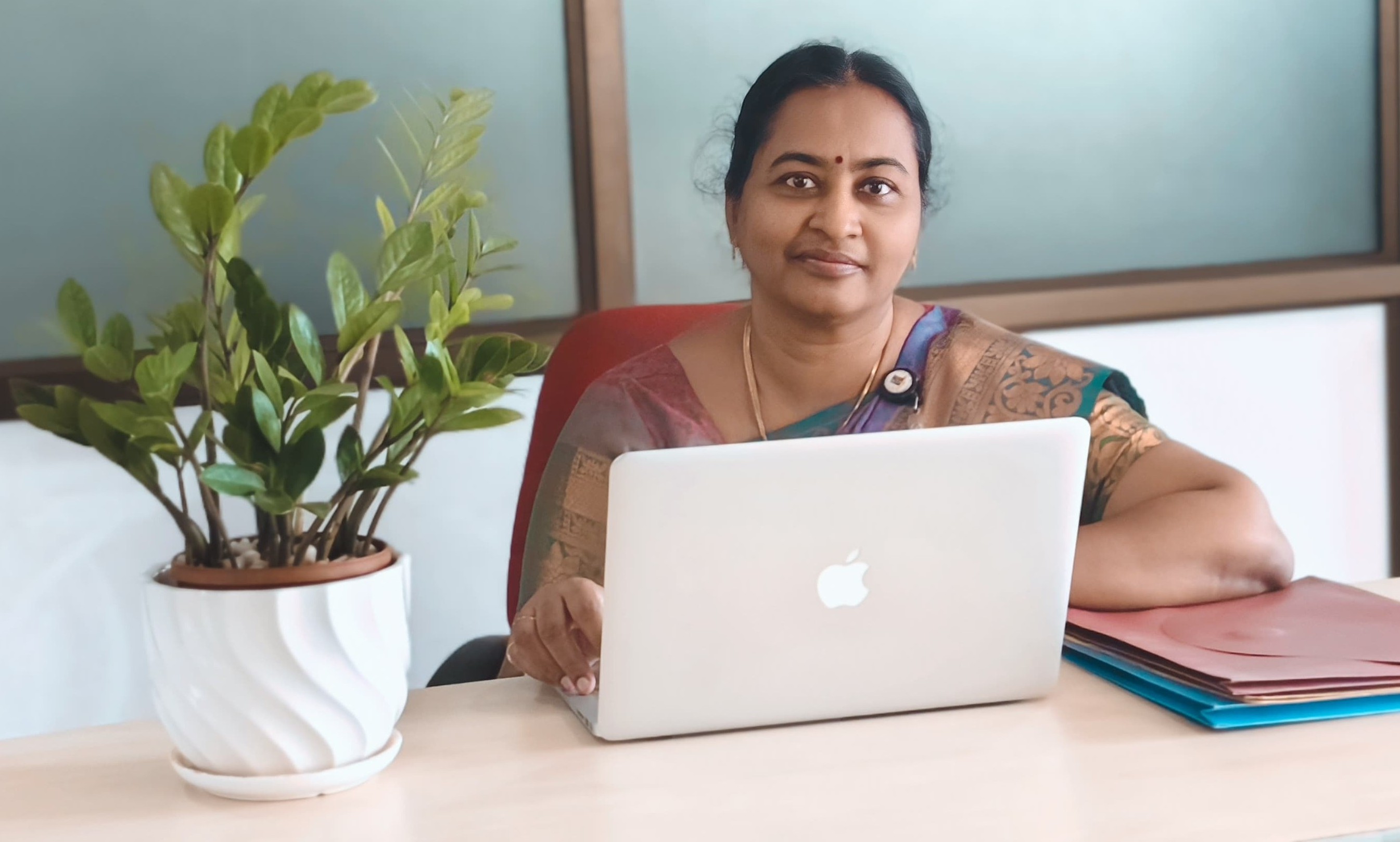
Greetings!
The Internal Quality Assurance Cell (IQAC) of Holy Cross College, established in 2001 in accordance with the guidelines of the National Assessment and Accreditation Council (NAAC), continues to play a pivotal role in fostering a culture of quality within the institution. In alignment with the revised NAAC framework, IQAC is committed to advancing systemic, participatory, and data-driven quality assurance processes. The vision is to integrate quality into every aspect of institutional functioning—academics, administration, research, and community engagement. We strive to create a learning ecosystem that is inclusive, innovative, and forward-looking. The IQAC supports this vision by facilitating the adoption of best practices, ensuring internal benchmarks are met, and encouraging evidence-based decision-making.
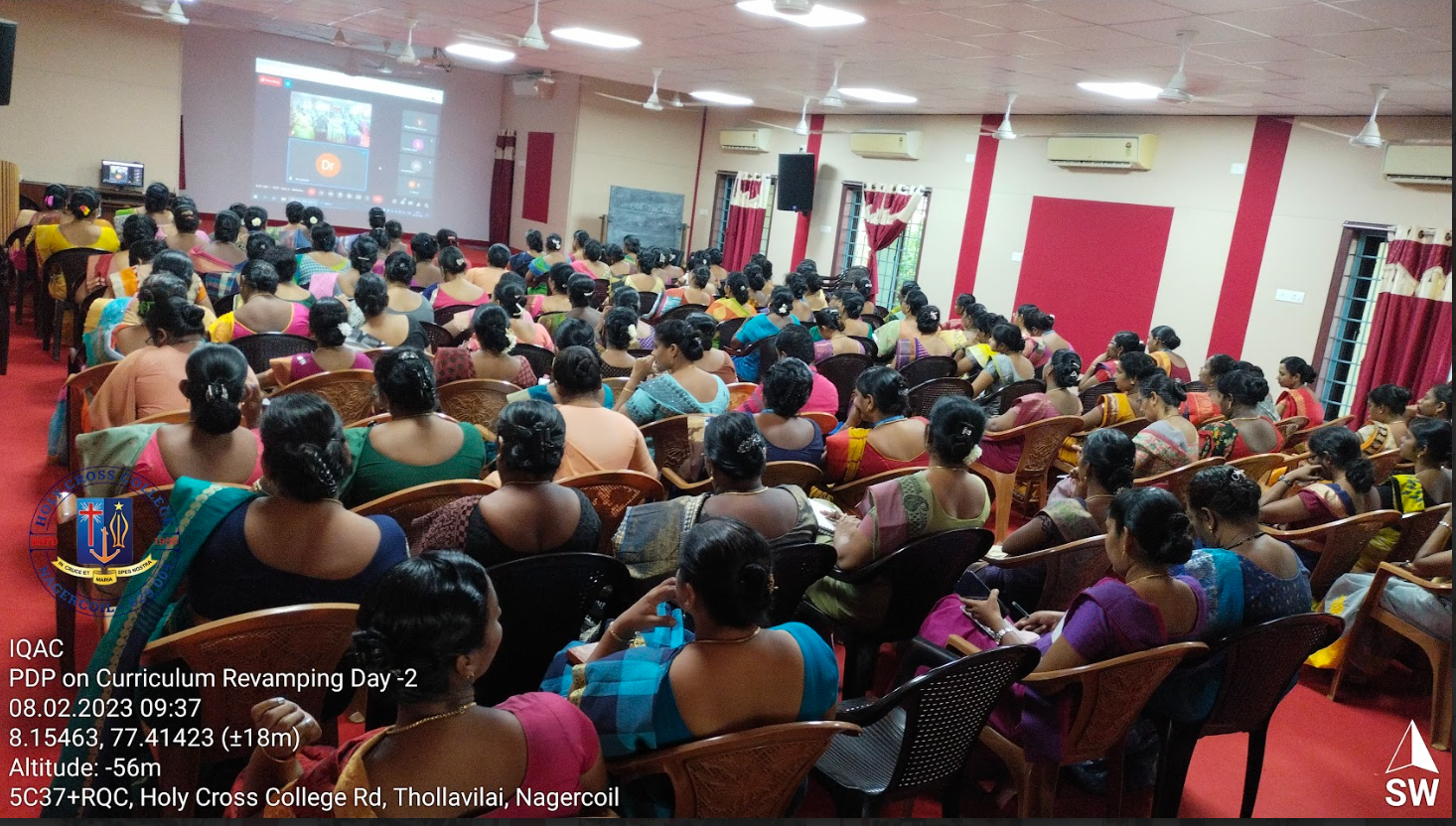
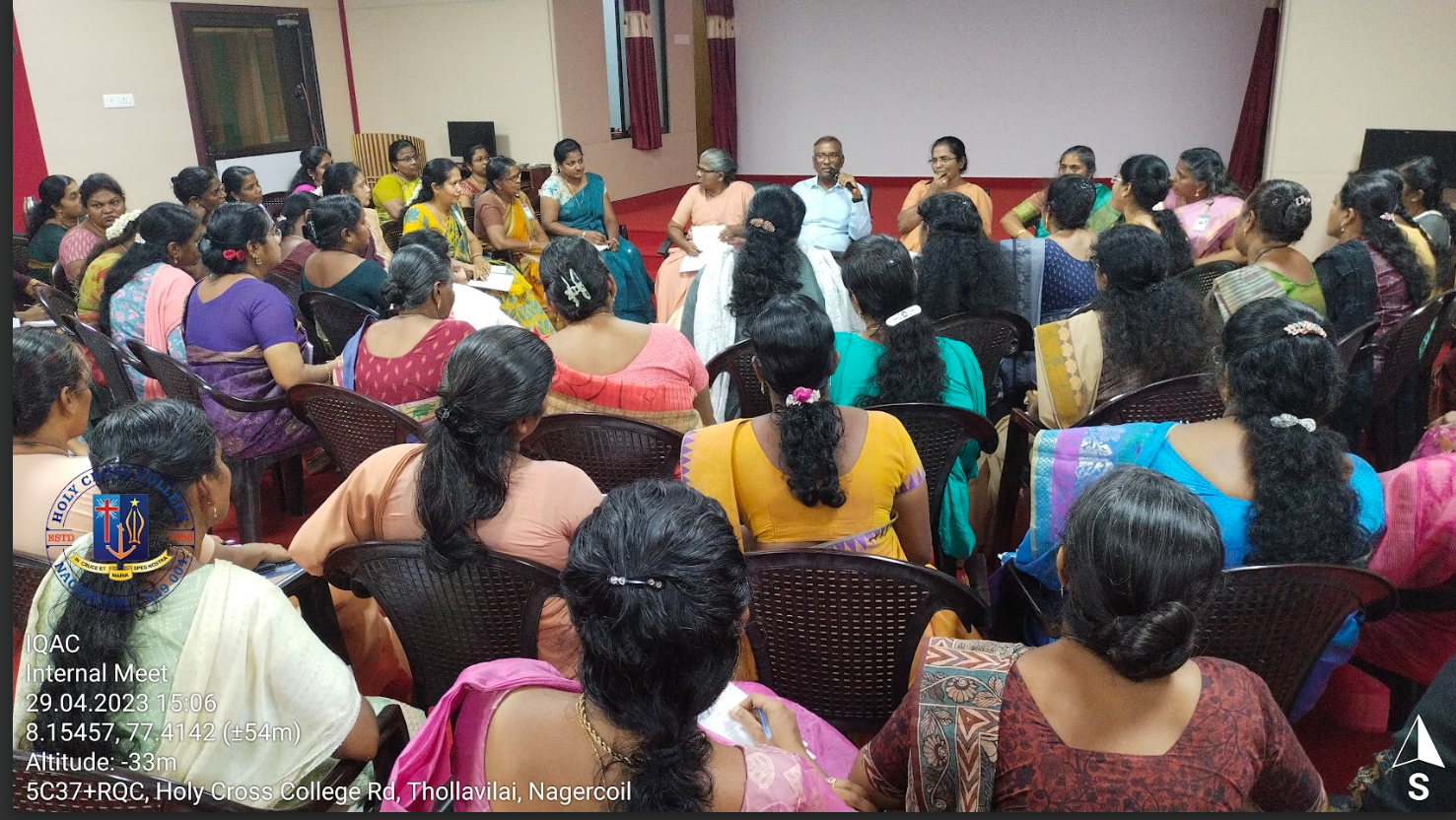
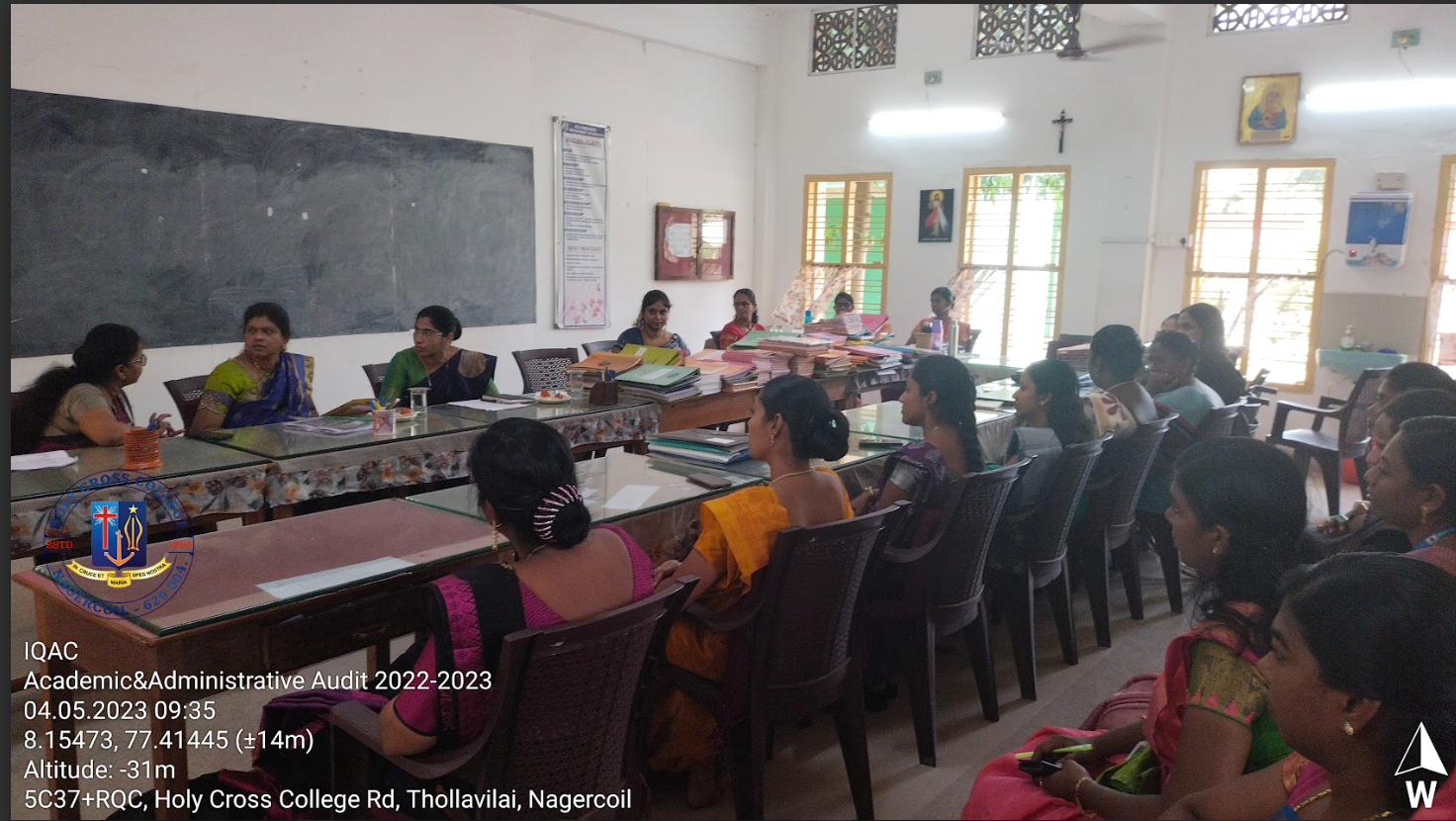
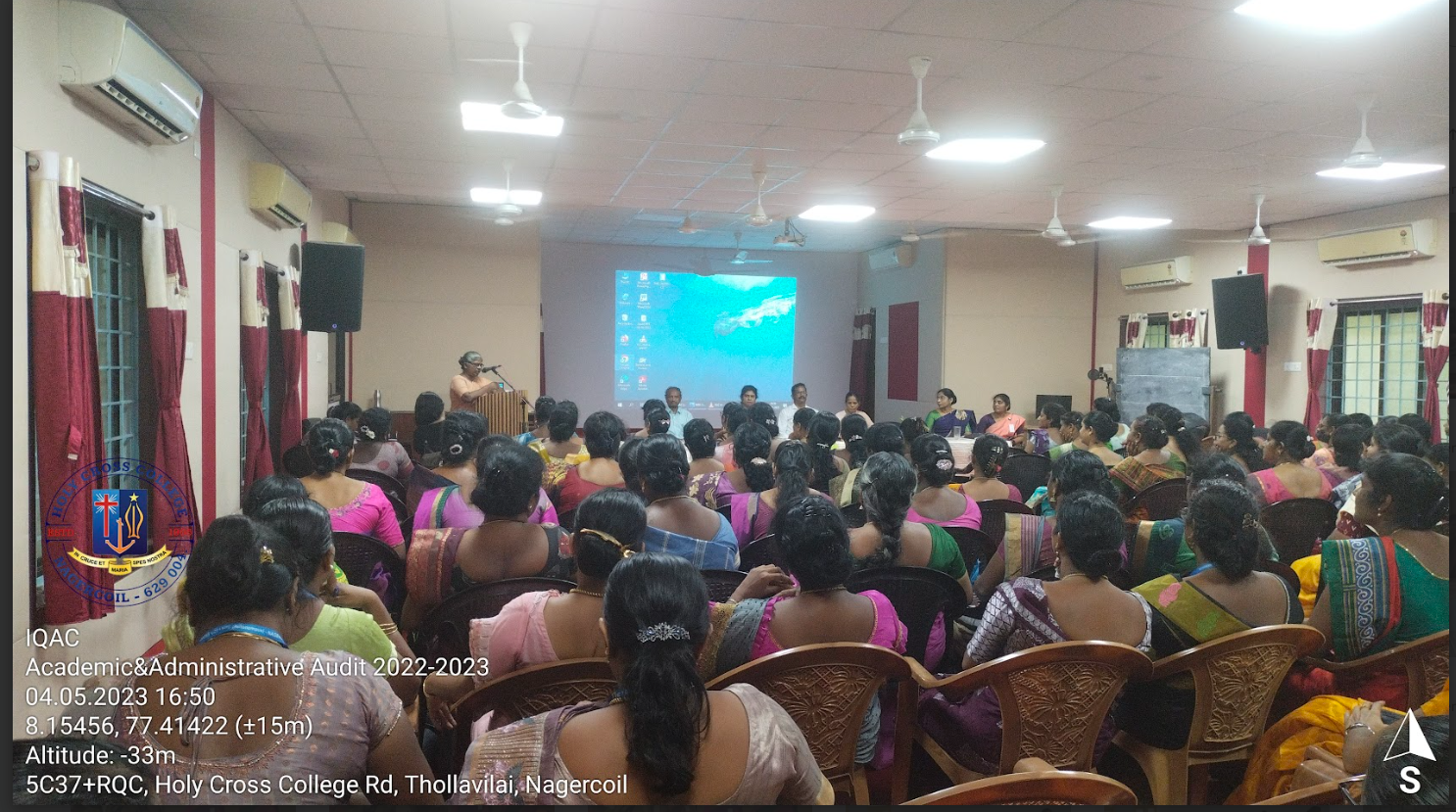
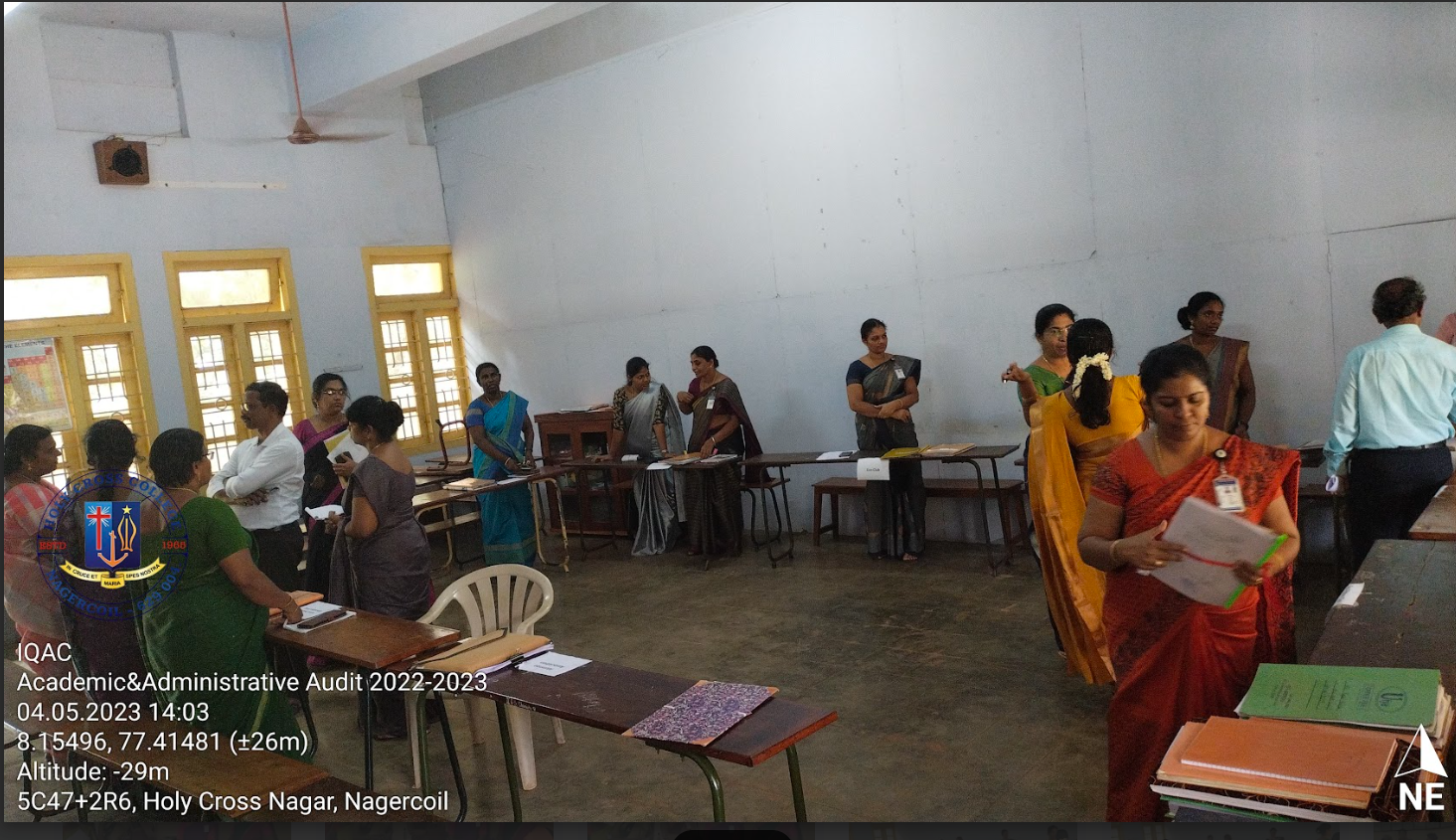
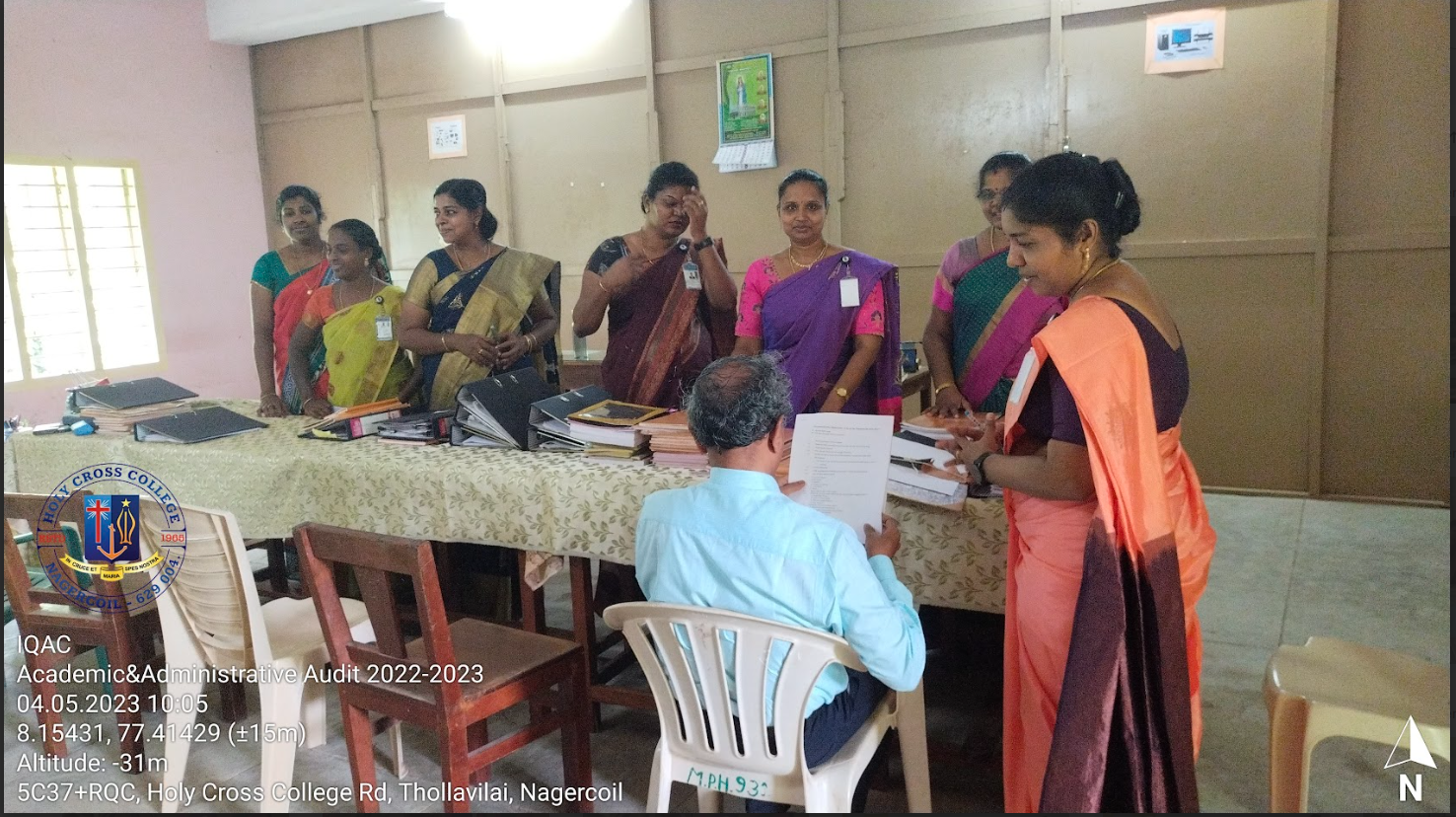
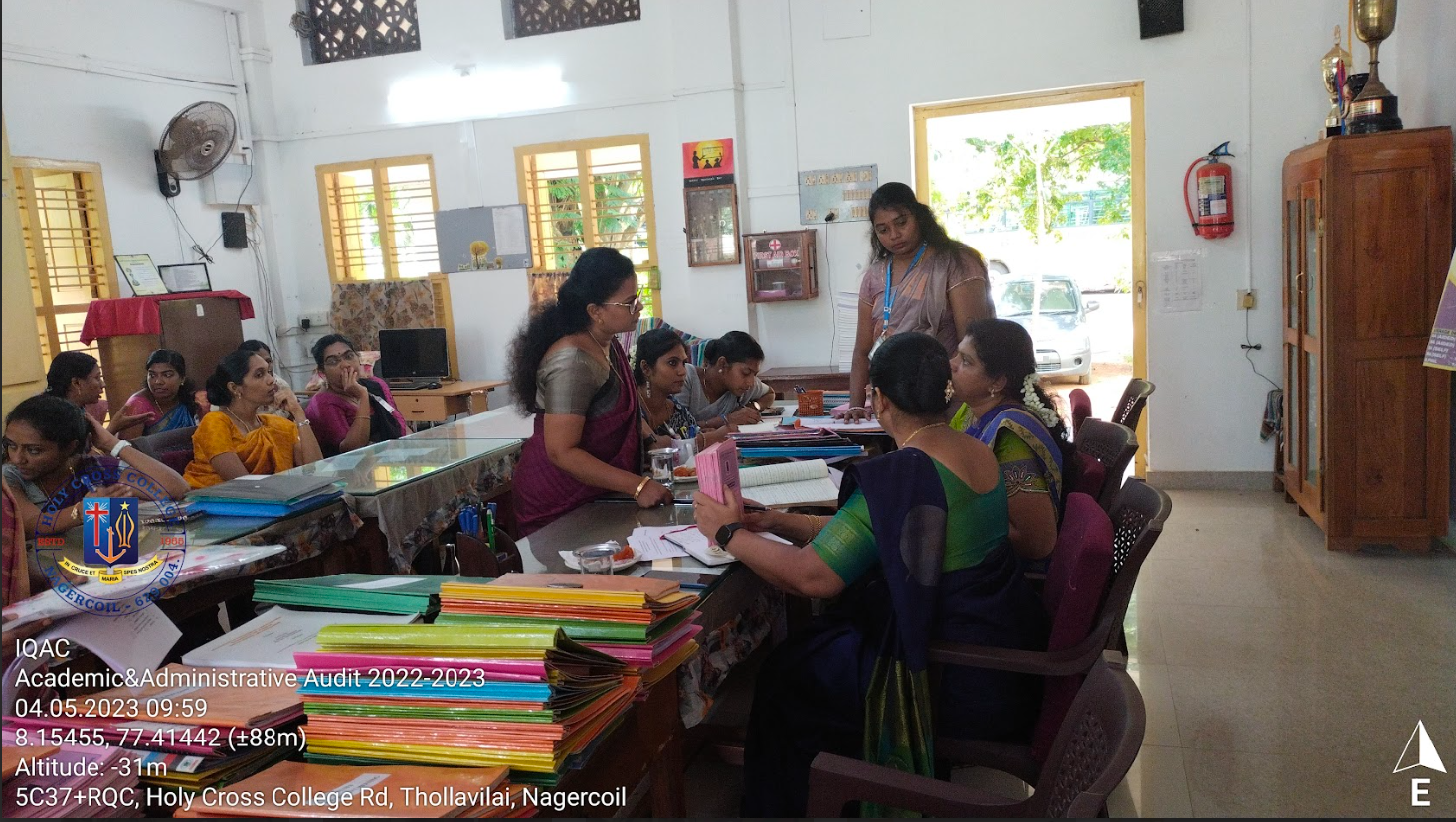
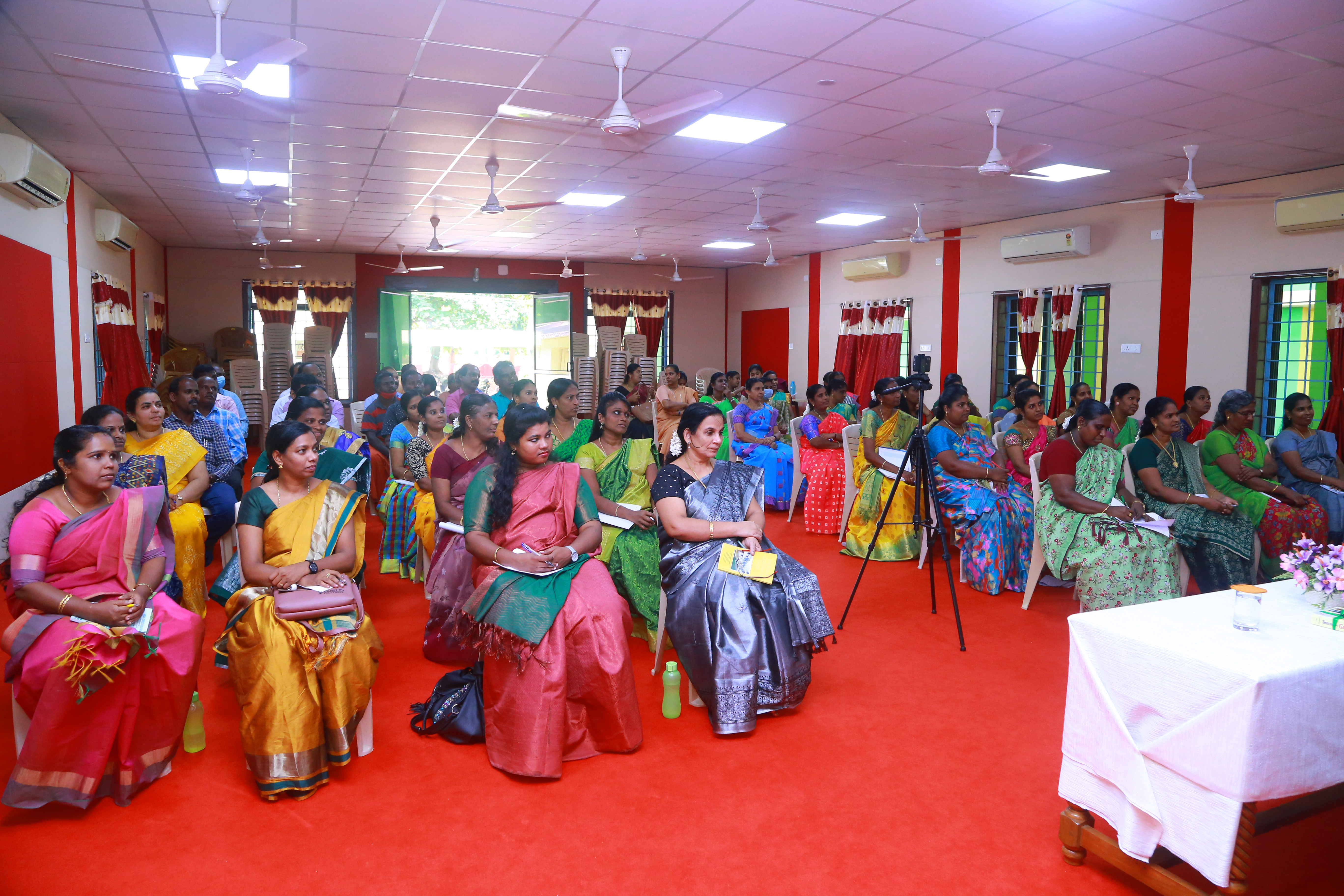
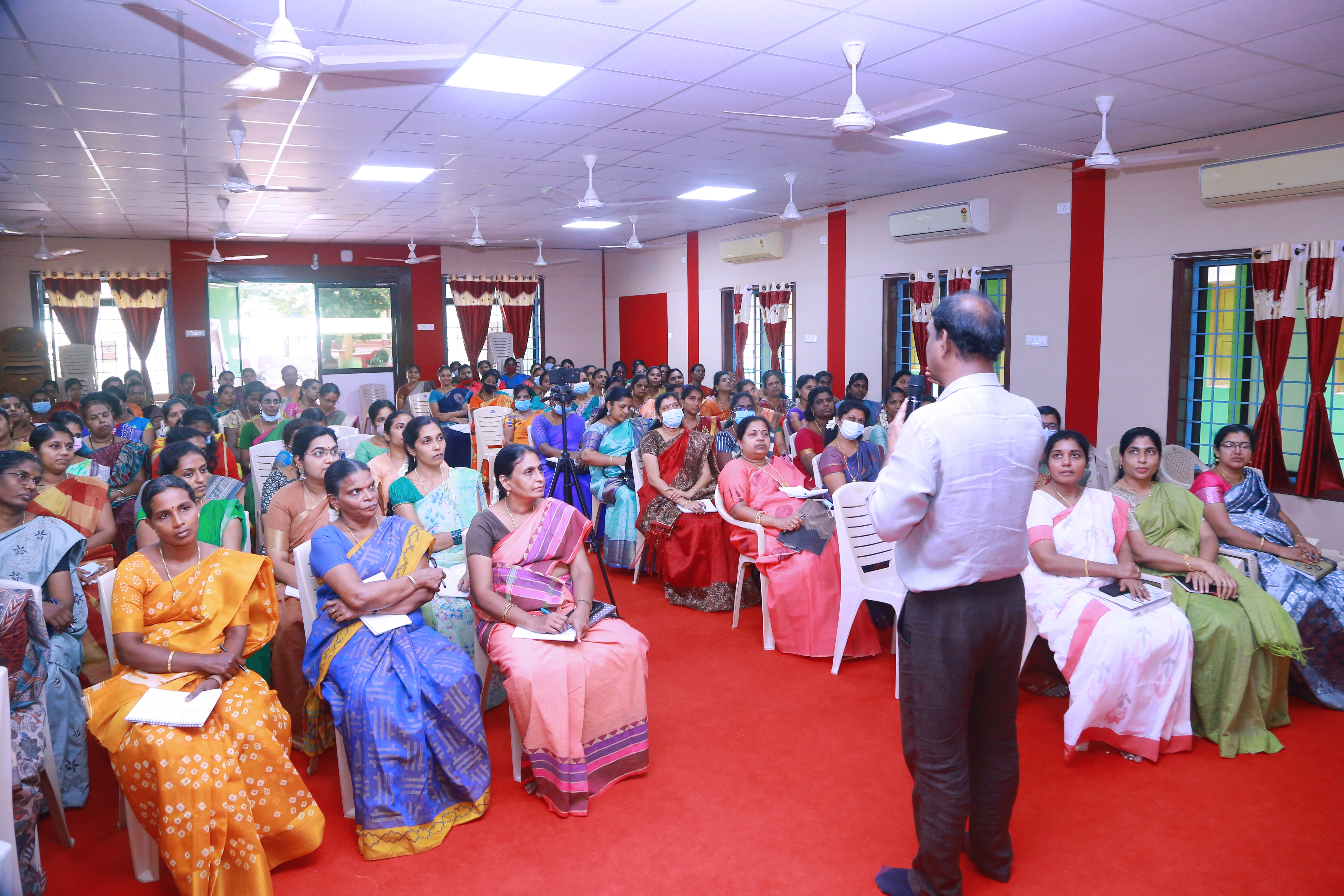
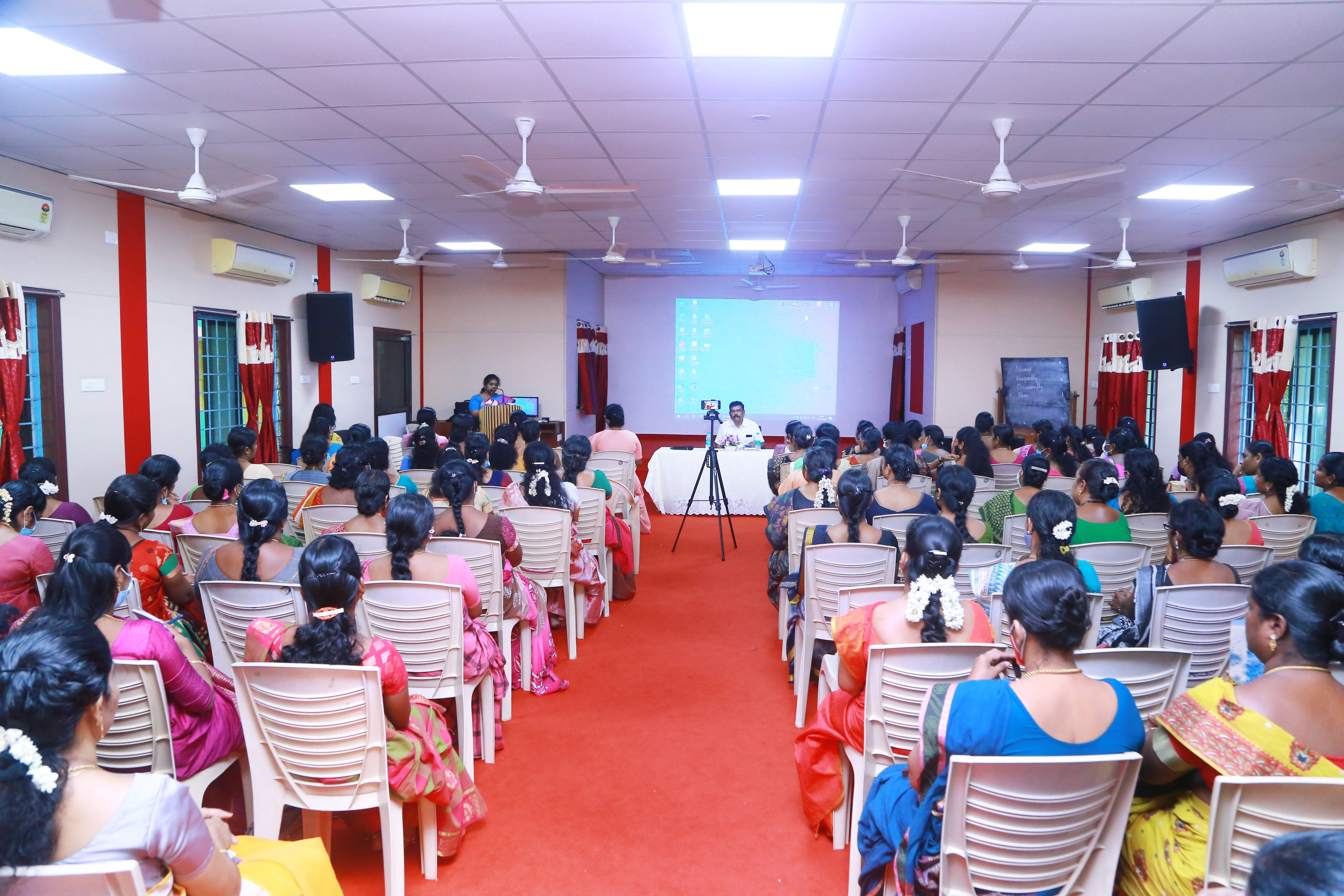
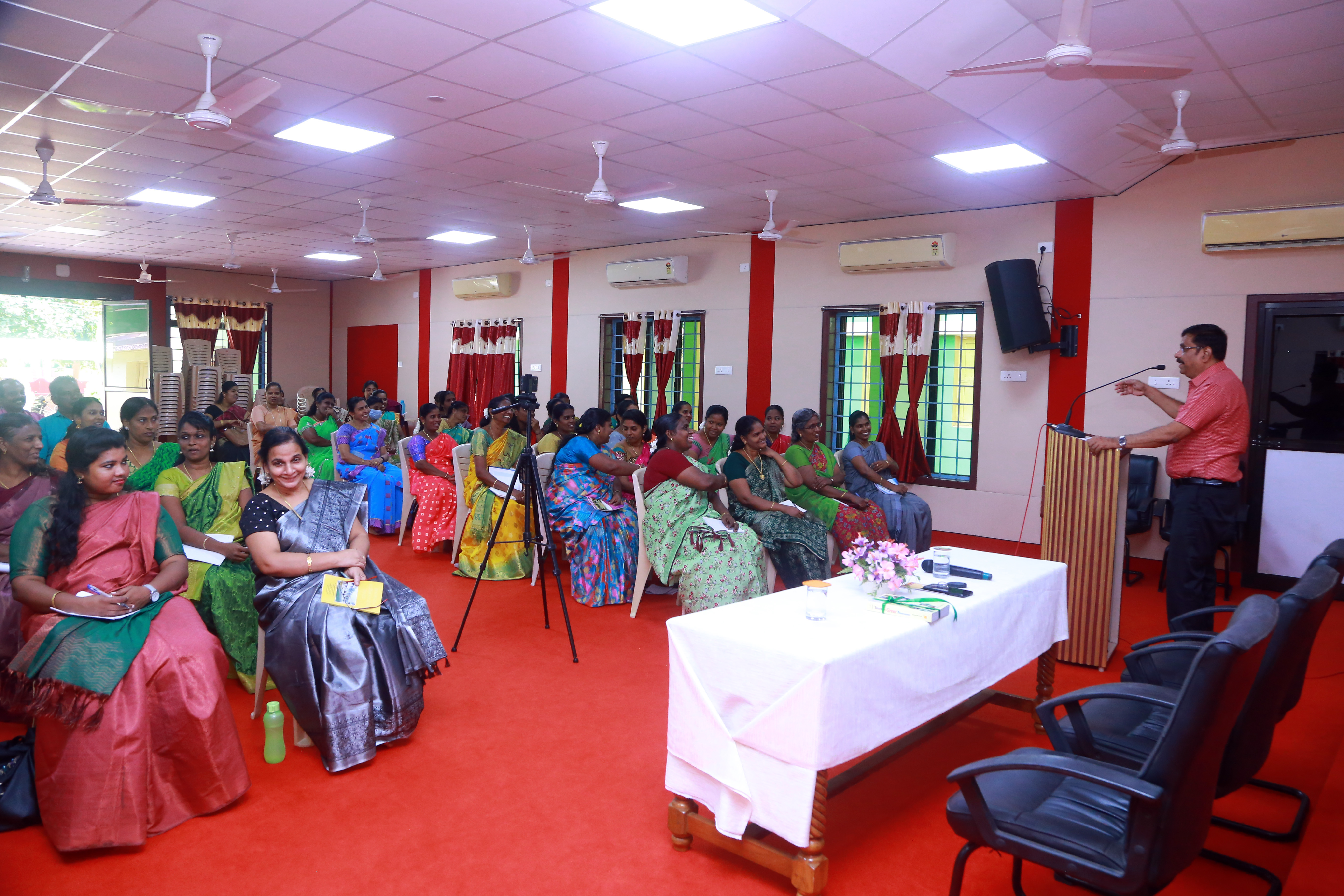
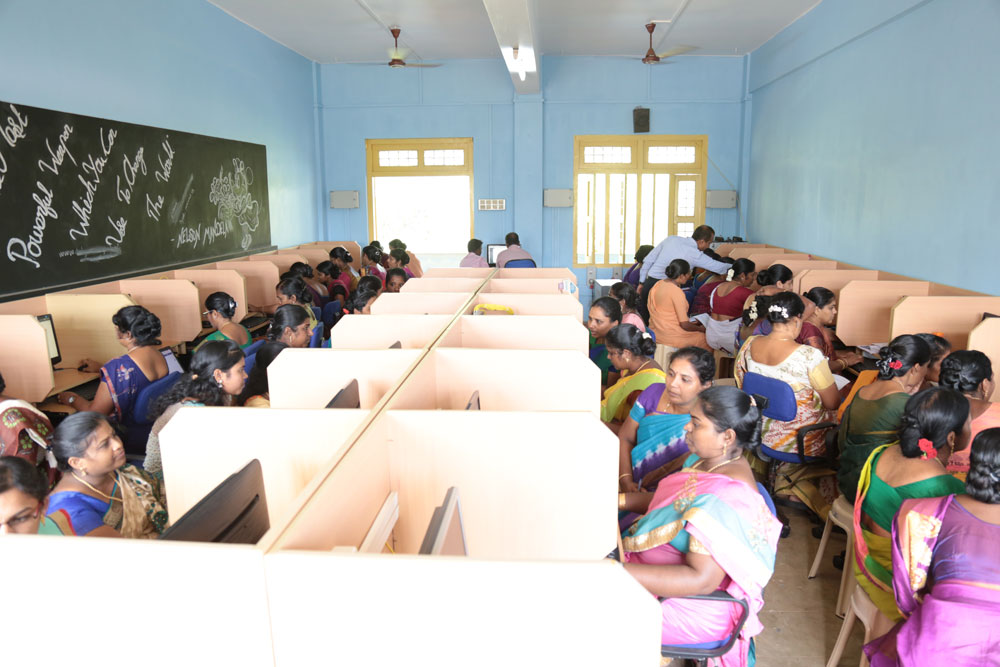
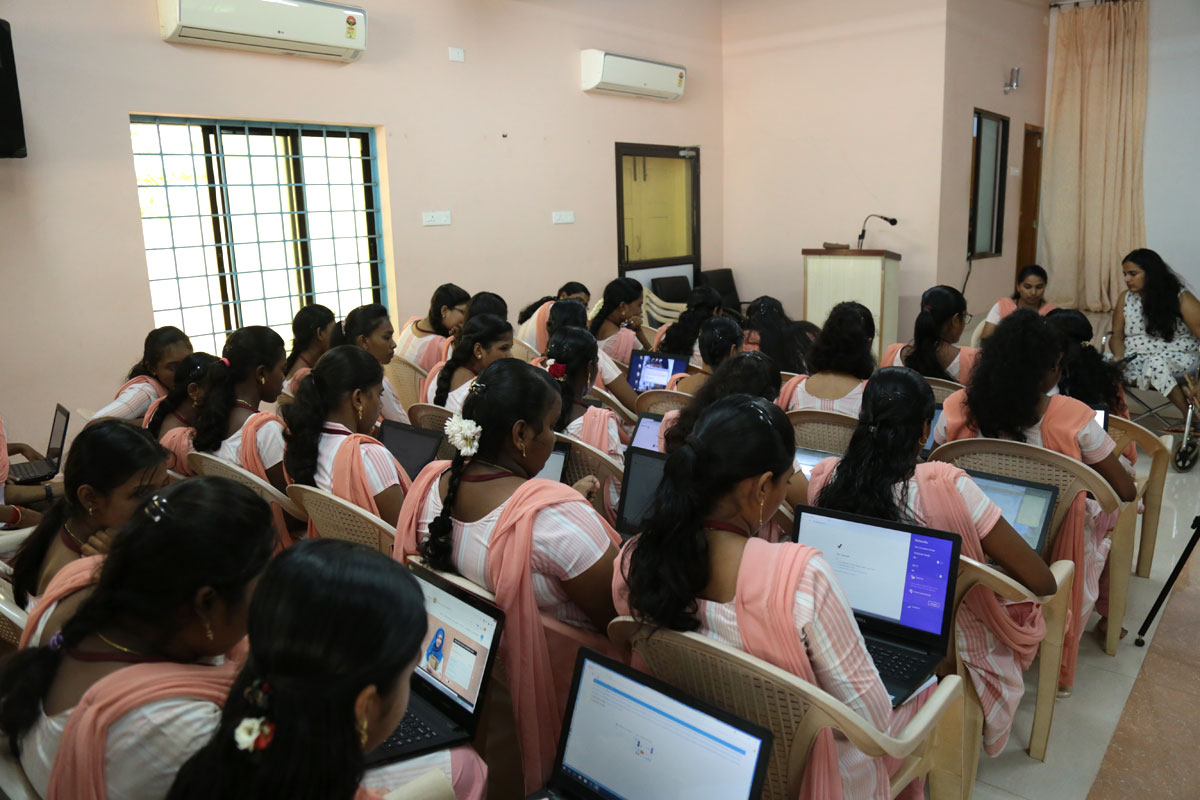
We conduct regular meetings, academic and administrative audits, and engage in continuous monitoring and evaluation of institutional performance. A robust feedback system involving students, faculty, alumni, employers, and other stakeholders has been institutionalized to strengthen accountability and transparency. Professional development of faculty is a key focus area, and to this end, the IQAC organizes capacity-building programs, workshops, and seminars on pedagogical innovation, research methodology, and emerging technologies. Emphasis is laid on integrating Outcome-Based Education (OBE), blended learning practices, and the effective use of ICT in teaching-learning-evaluation processes. As we move ahead, IQAC will continue to serve as a proactive facilitator, ensuring that the pursuit of excellence becomes an ongoing institutional habit rather than a one-time effort. Together with all stakeholders, we aim to uphold and enhance the legacy of quality education at Holy Cross College.
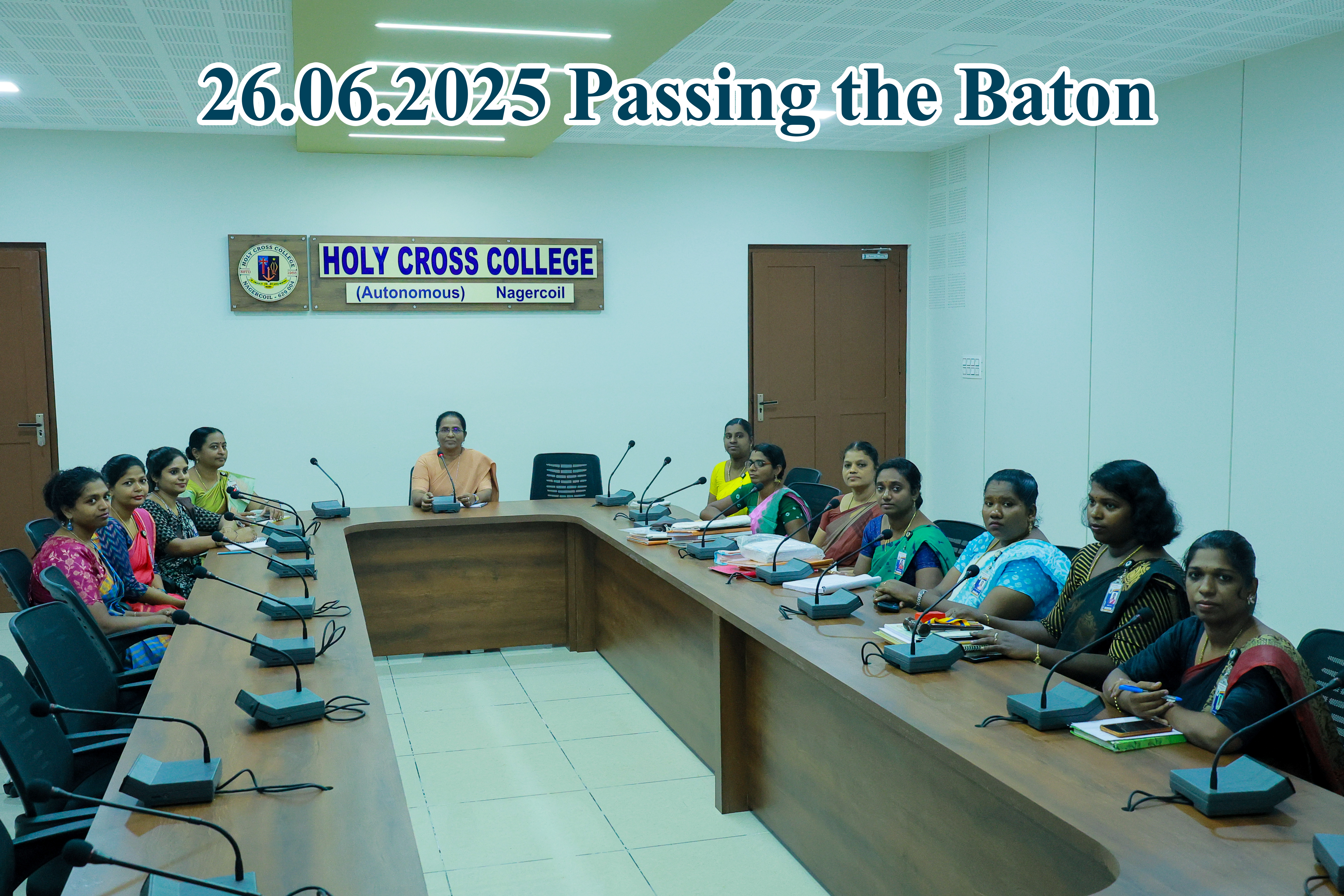



09-10-2024iqacimage125-10-2024image1.jpg)